Tel/WhatsAapp:+86 18011919834
E-mail: chloe.x@fybagcustom.com

Tel/WhatsAapp:+86 18011919834
E-mail: chloe.x@fybagcustom.com
Send Your Inquiry Today

Years Manufacturing
Factory Area
Professional Staff
Inspection Rate
Each conversion pathway requires different strap hardware, attachment points, and structural engineering. We produce the eight most-ordered convertible formats — from 2-in-1 commuter packs to 4-in-1 multi-mode travel bags.



Convertible bags solve the problem every traveler and commuter has: different scenarios demand different bag types throughout the same day. Five market forces are driving convertible from niche to mainstream.

A 3-in-1 convertible bag commands 40–80% higher retail price than any of its individual modes. Buyers pay for versatility as a feature, not just materials and construction. The “N-in-1” value proposition is instantly understood by consumers without explanation.

Minimalist travel, one-bag travel, and carry-on-only travel are mainstream consumer trends. Convertible bags are the product category that serves all three. Personal-item backpacks that convert to under-seat totes are the highest-growth segment in travel accessories.

“Convertible backpack,” “3-in-1 bag,” and “backpack tote” are high-intent, growing Amazon search terms with lower competition than single-mode categories. Convertible bags have above-average conversion rates because the search term already signals high purchase intent.

Convertible bags have lower return rates than standard bags because they satisfy a wider range of use cases. If a buyer isn’t happy with the bag in tote mode, they often keep it for backpack mode instead of returning. Versatility reduces buyer’s remorse.
Each conversion pathway requires different strap hardware, attachment points, and structural engineering. We produce the eight most-ordered convertible formats — from 2-in-1 commuter packs to 4-in-1 multi-mode travel bags.
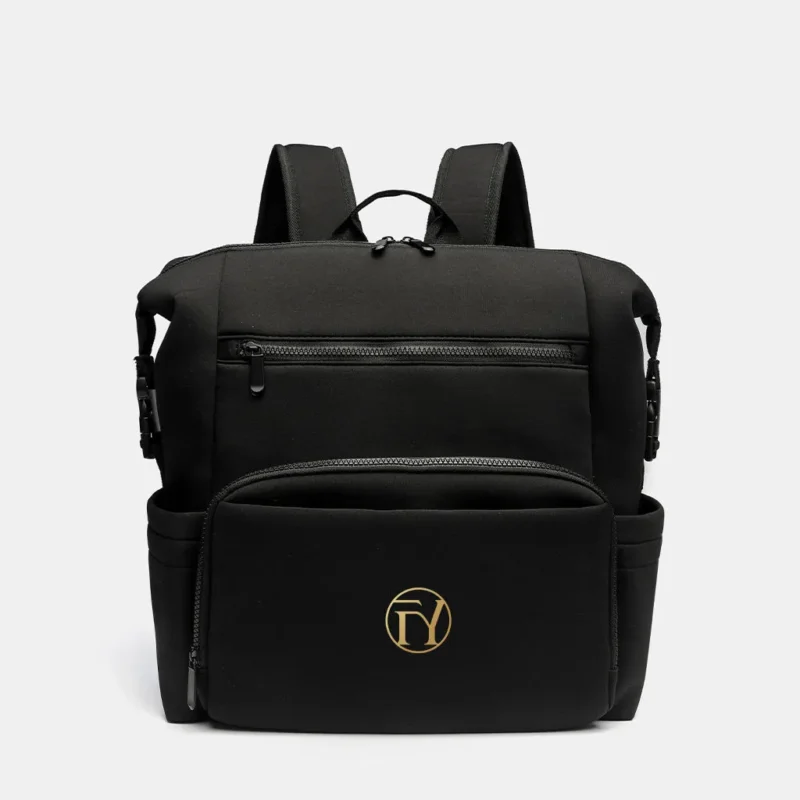
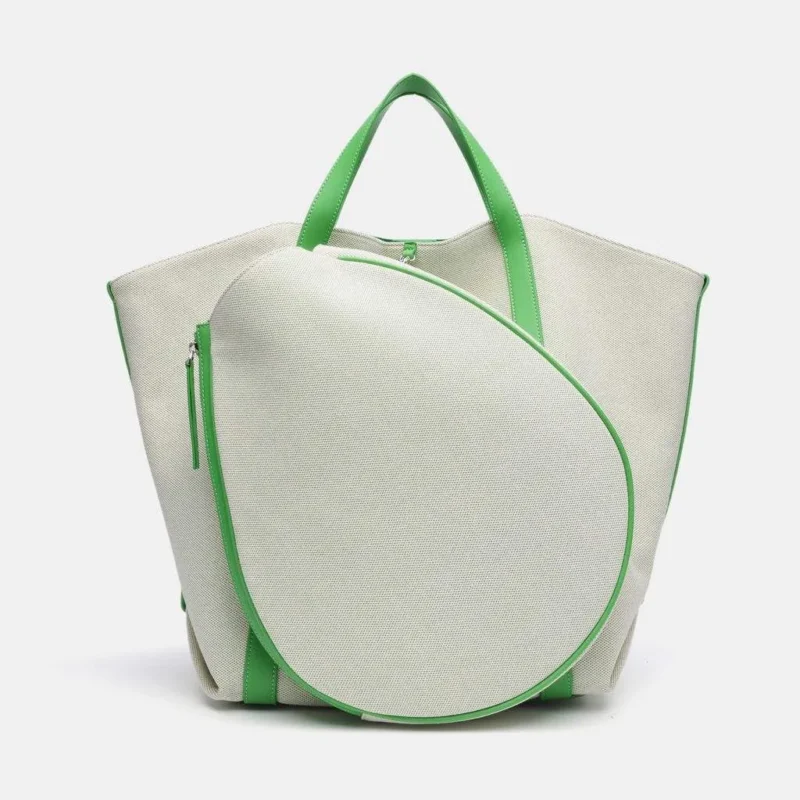
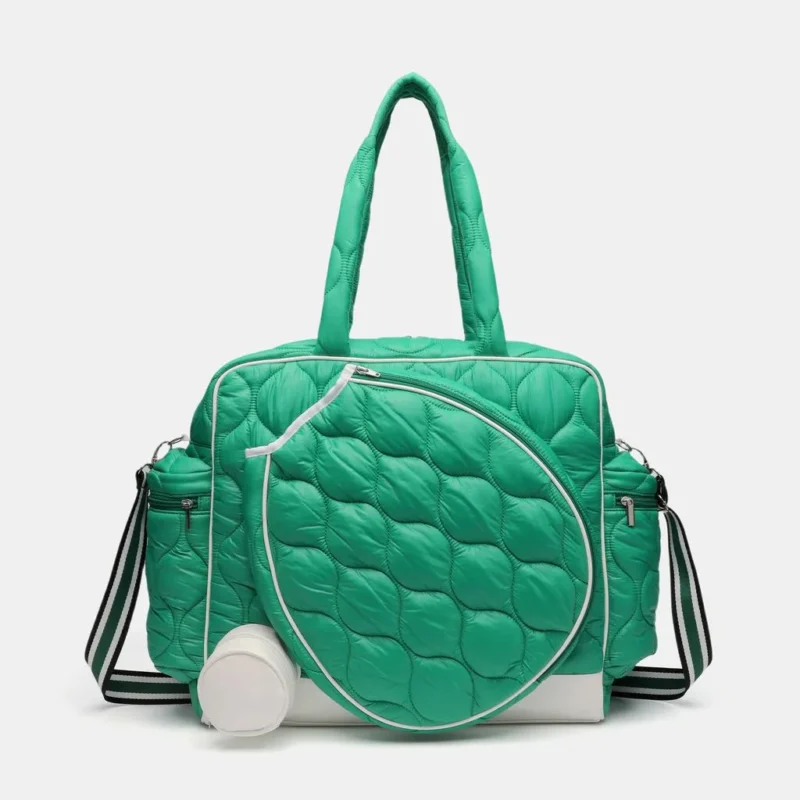
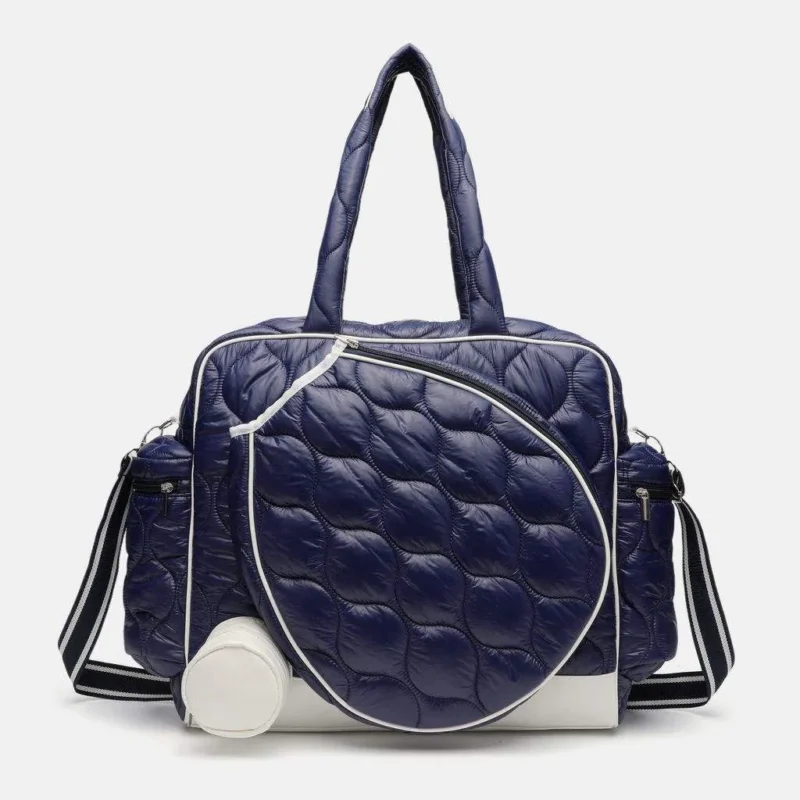
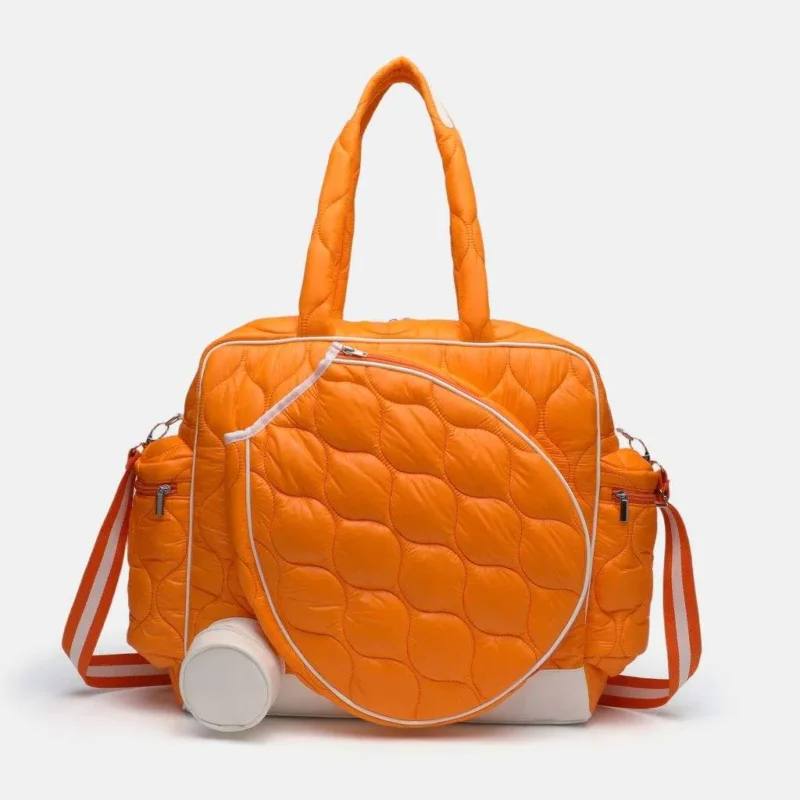
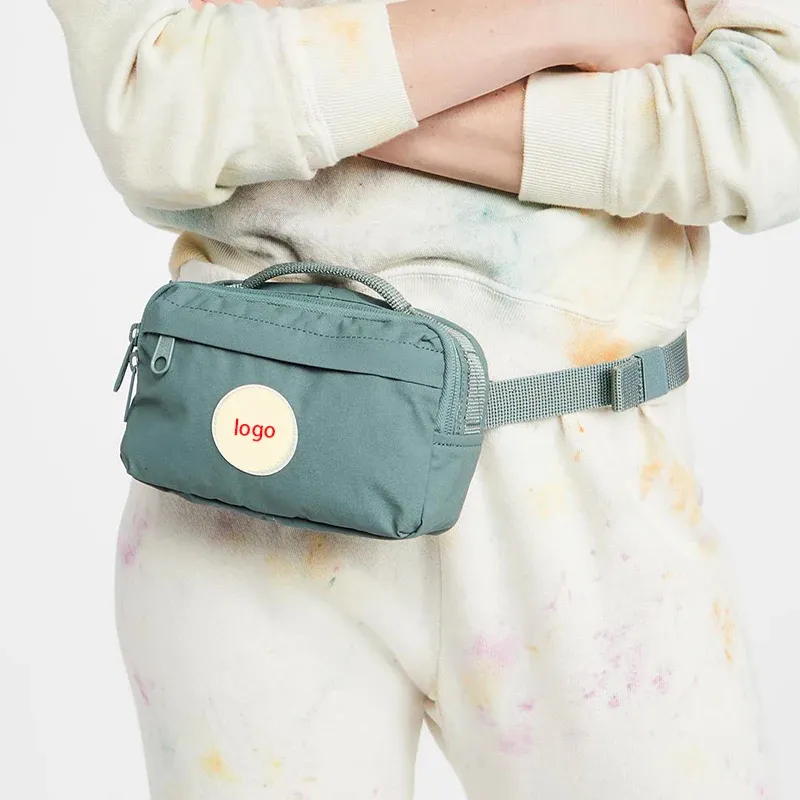
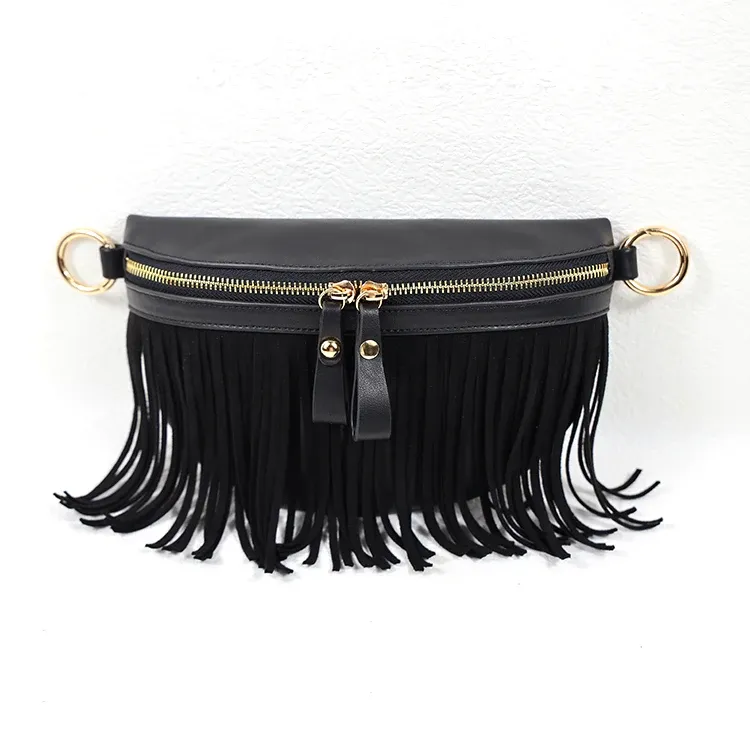
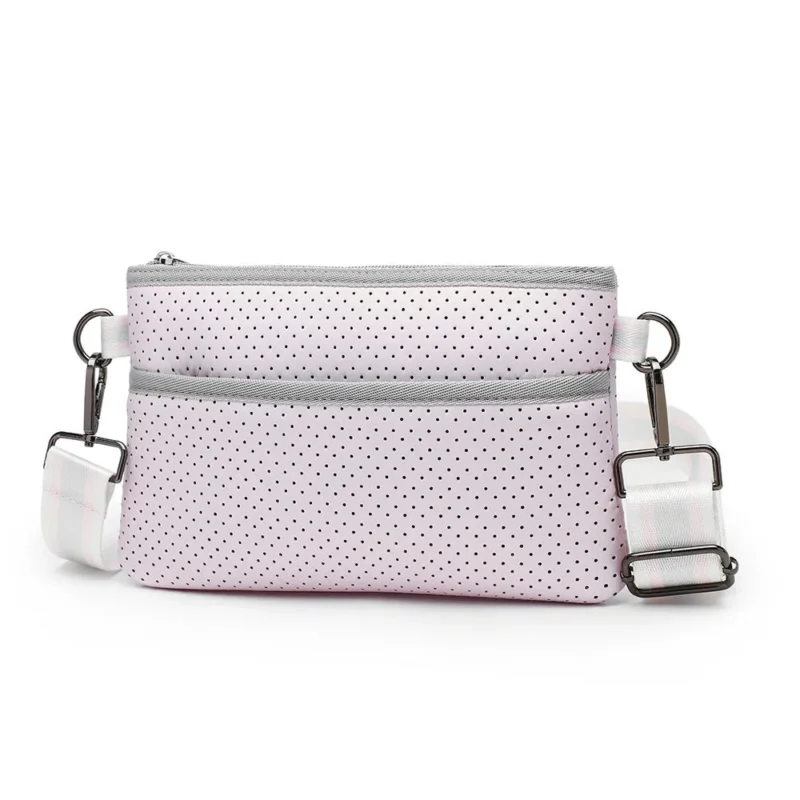
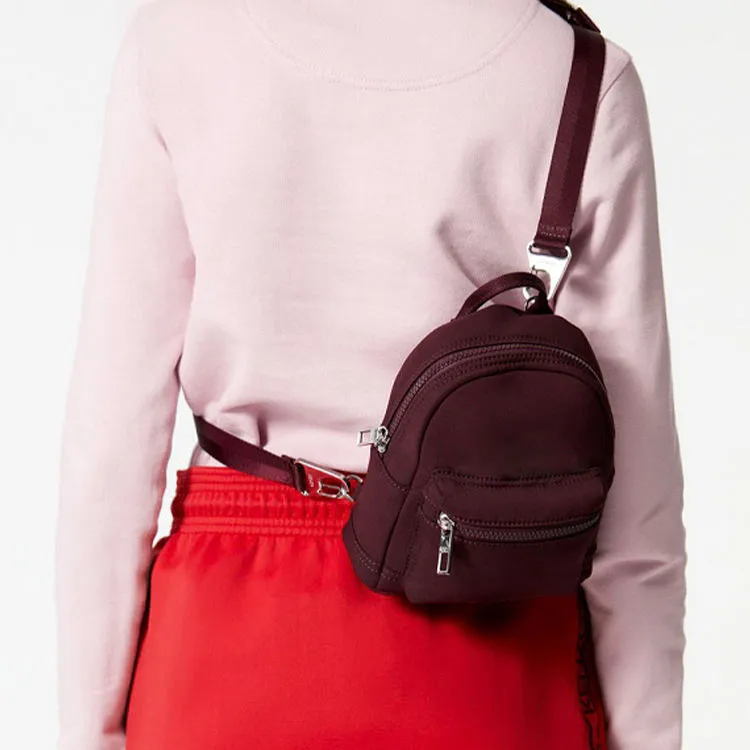
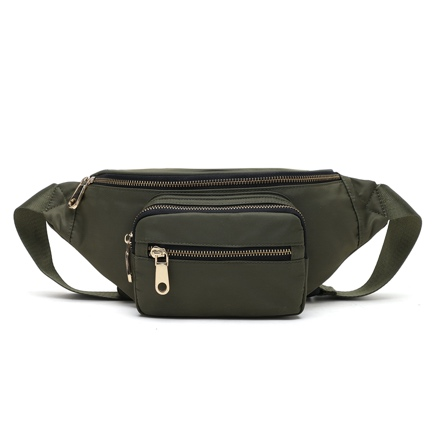
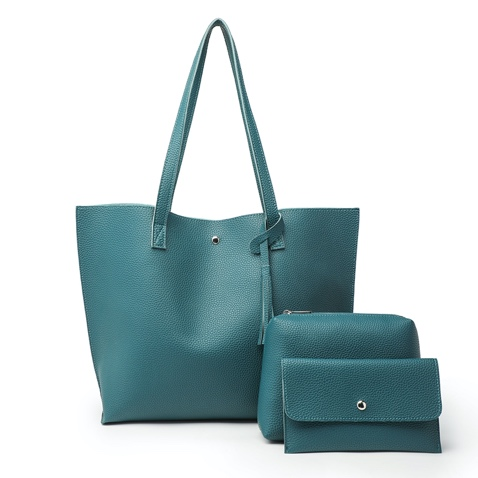
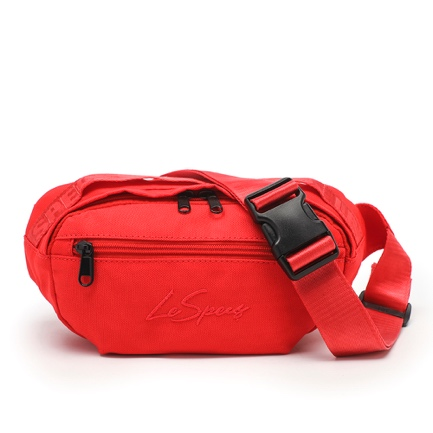
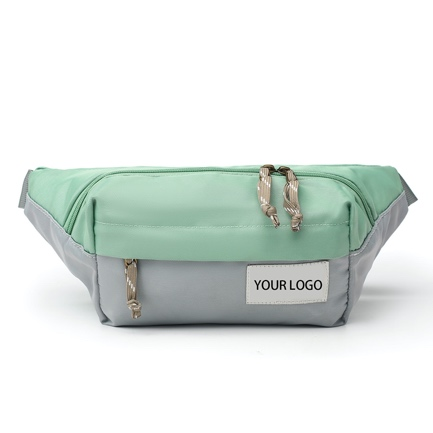
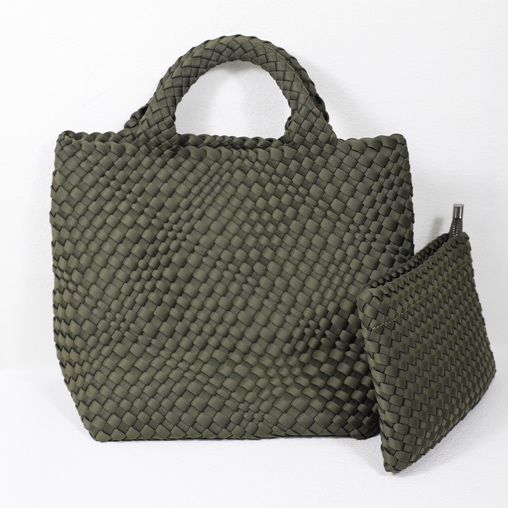
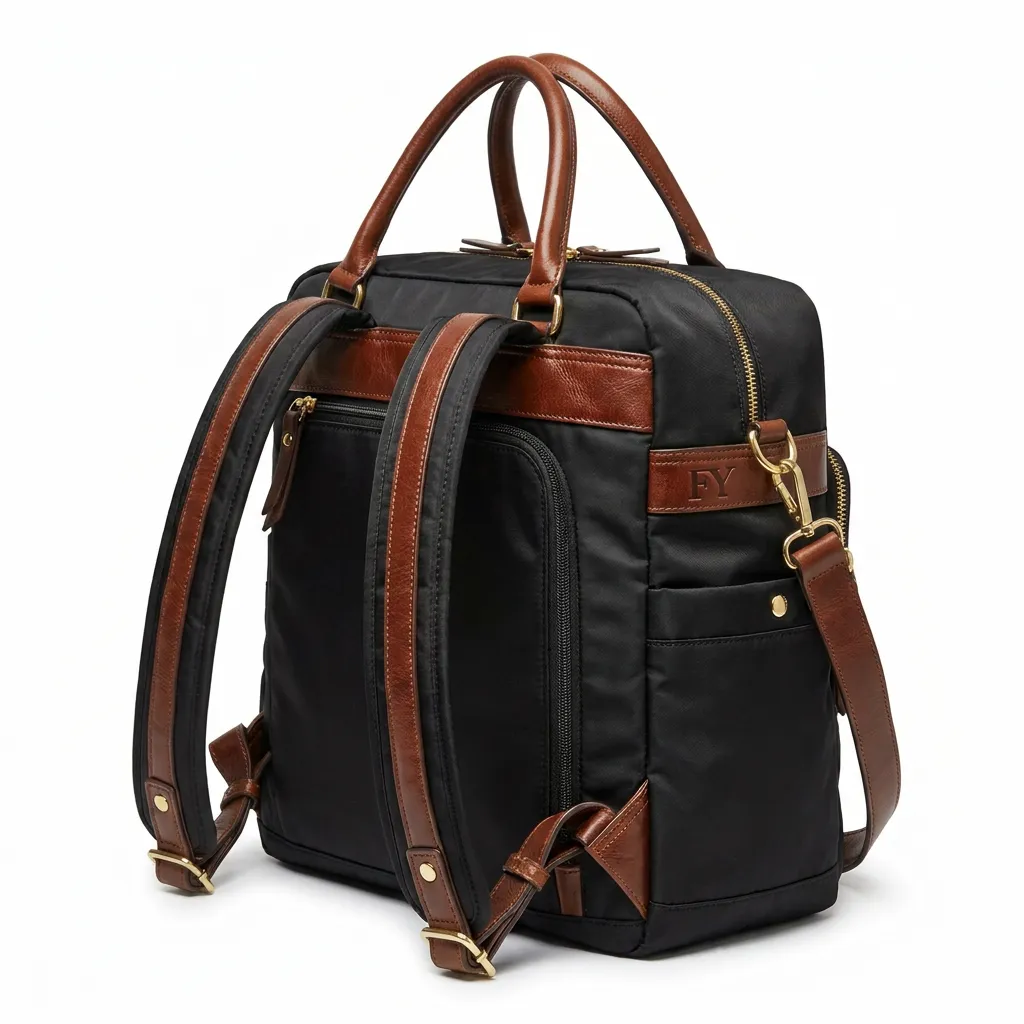
The #1 convertible format. Backpack straps tuck into back panel; grab handles become tote handles. Optional crossbody strap for 3rd mode. For commuters, travelers, and diaper bag buyers. Highest volume, broadest buyer appeal.
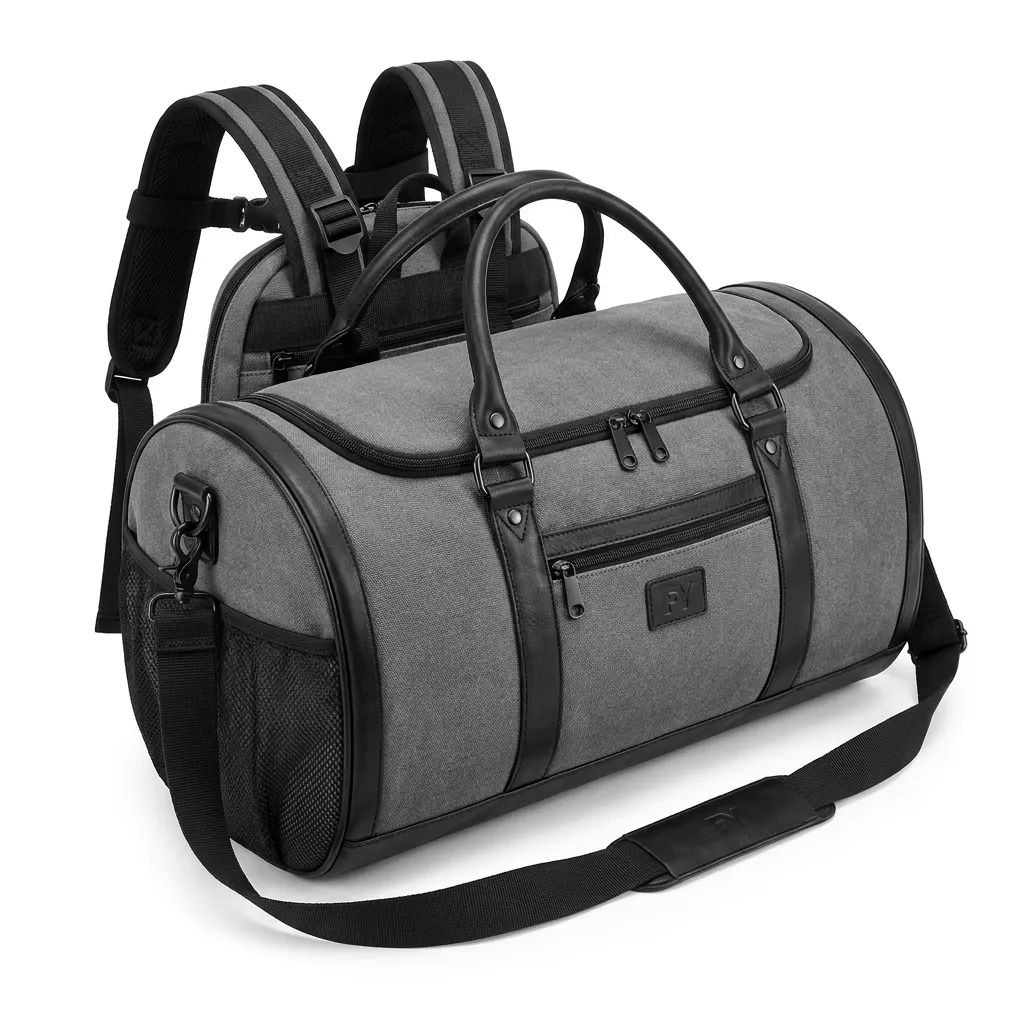
Duffle bag with concealed backpack straps that deploy for hands-free carry. 30L–50L. For weekend travel, gym-to-office, and adventure travel. Backpack straps stow in zippered back panel.
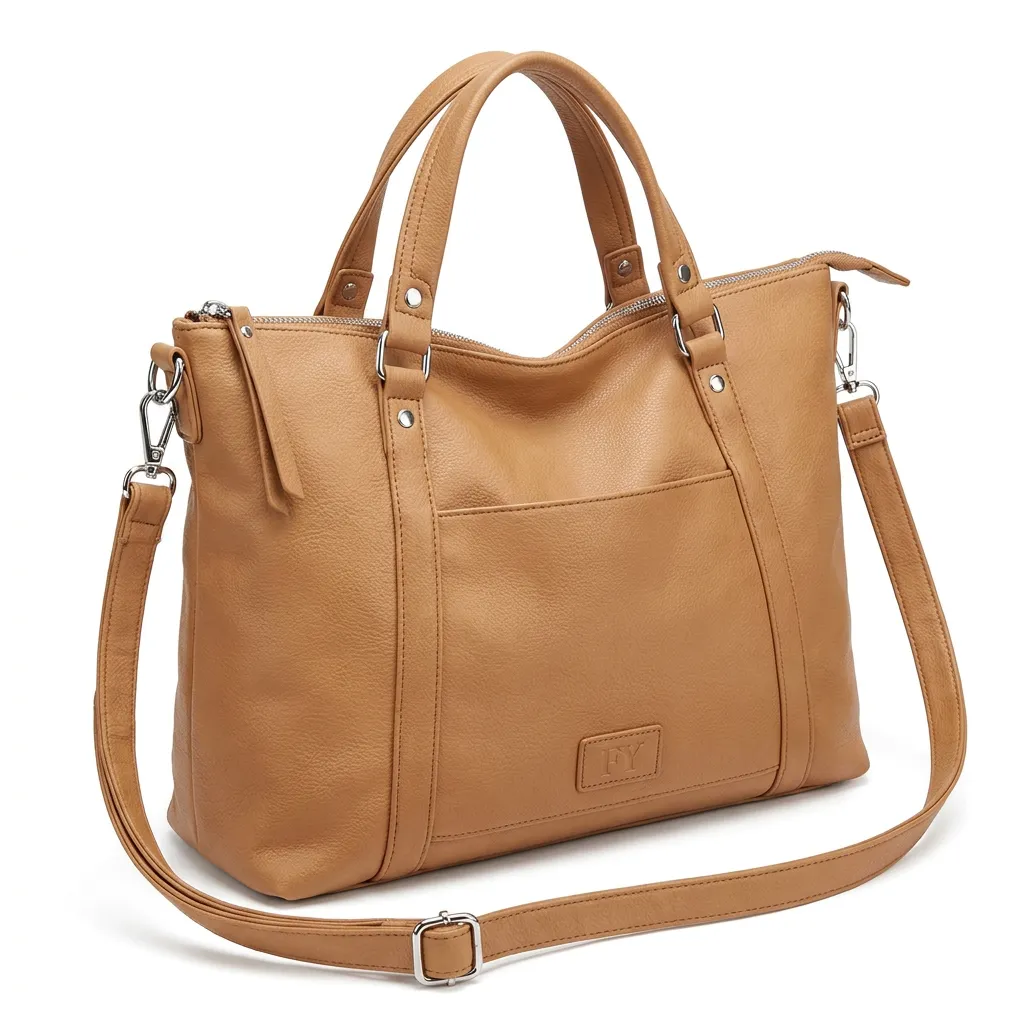
Tote with removable crossbody strap and D-ring attachments. Full-size capacity in tote mode; hands-free in crossbody mode. For everyday carry, work, and travel. The simplest conversion mechanism — detachable strap only.
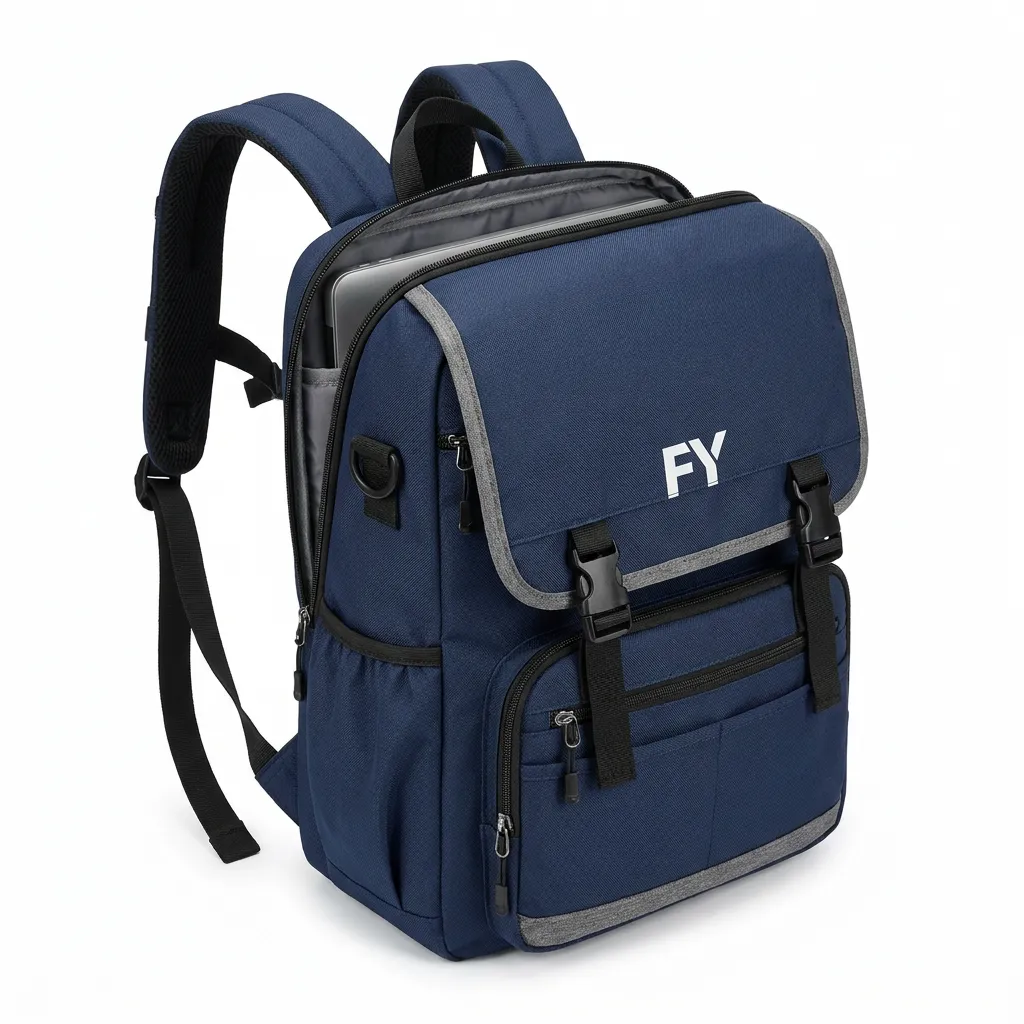
Backpack with strap reconfiguration to single-shoulder messenger mode. For commuters who switch between bike (backpack) and office (messenger). Oxford or nylon. Padded laptop compartment standard.
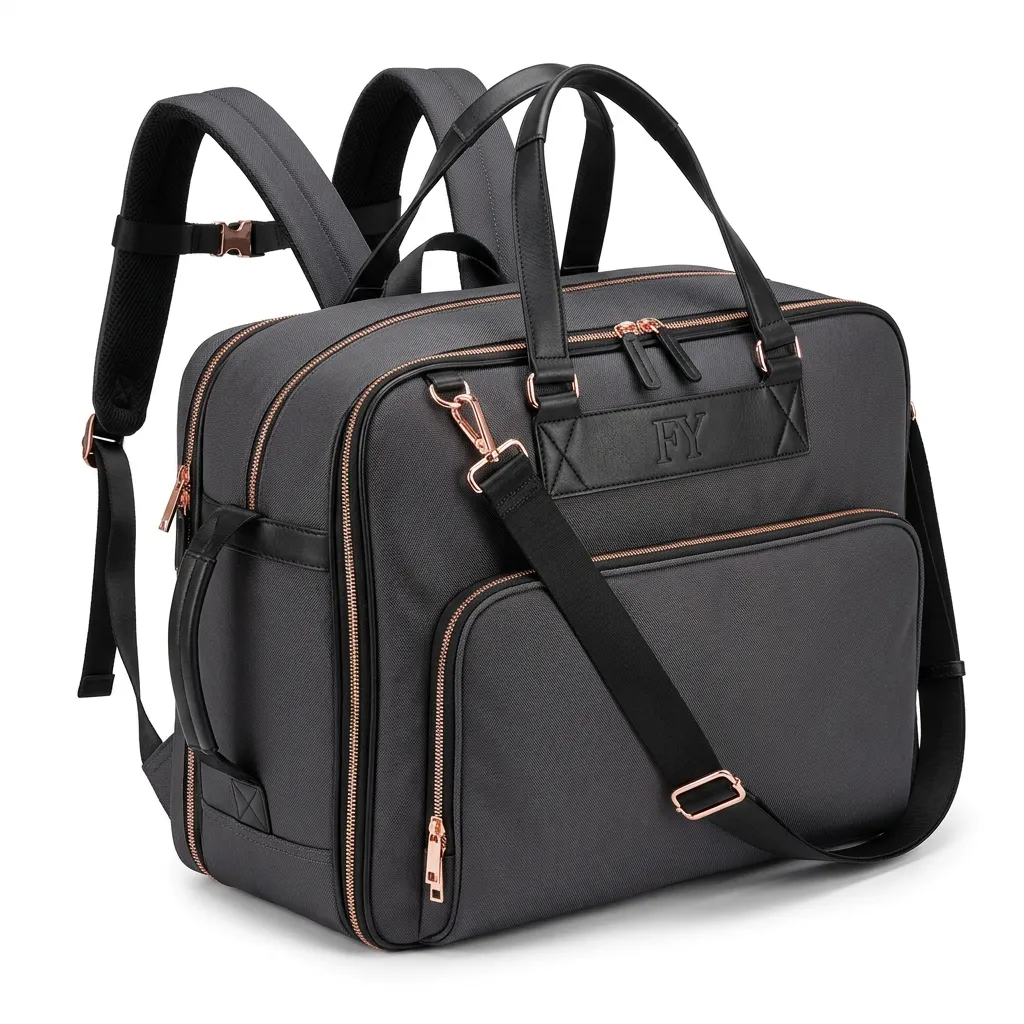
Backpack + tote + crossbody + shoulder bag from one product. Multiple strap configurations plus concealed backpack straps. Premium travel-accessories format. Highest hardware count. Retail $50–120+. The most complex convertible — requires the most QC attention.
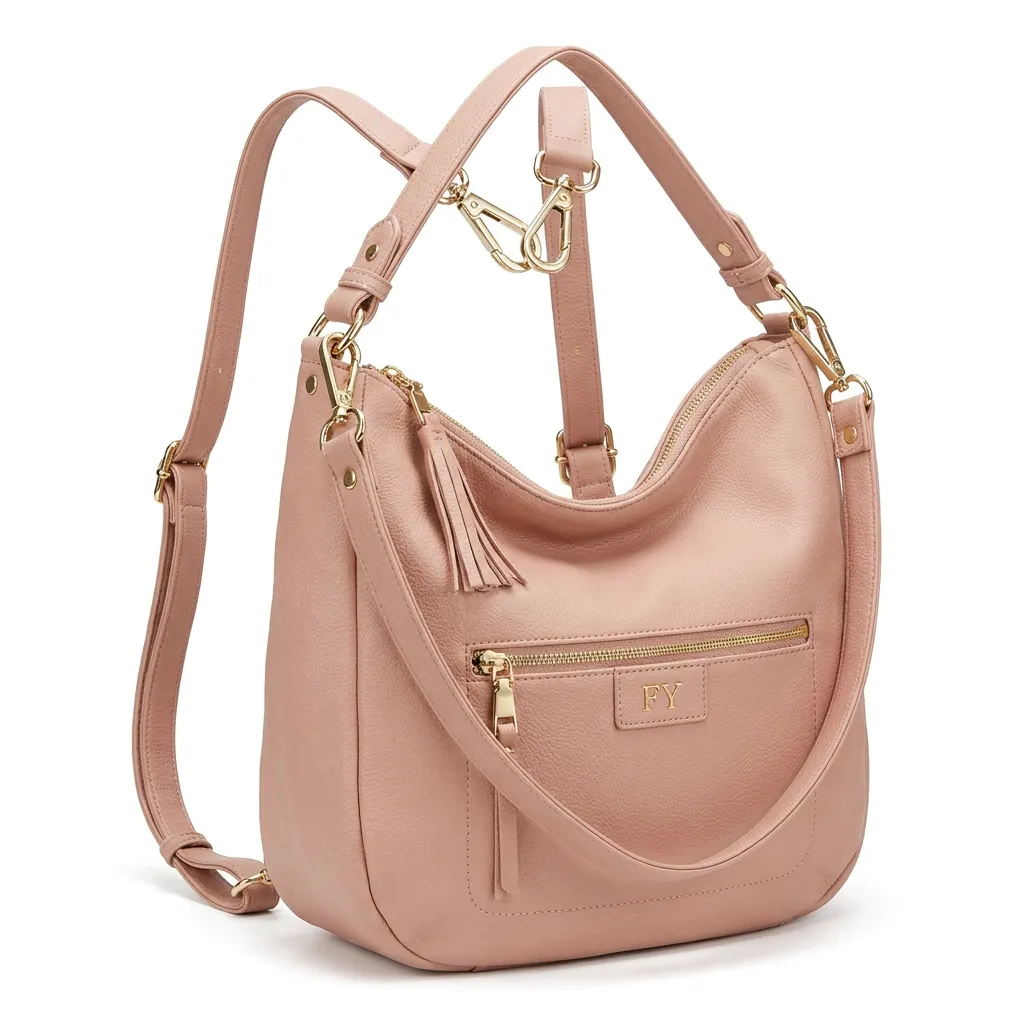
Shoulder bag or hobo bag with concealed or zip-out backpack straps. For fashion-forward commuters. PU leather or canvas. The fashion convertible — mechanism must be invisible in shoulder mode.
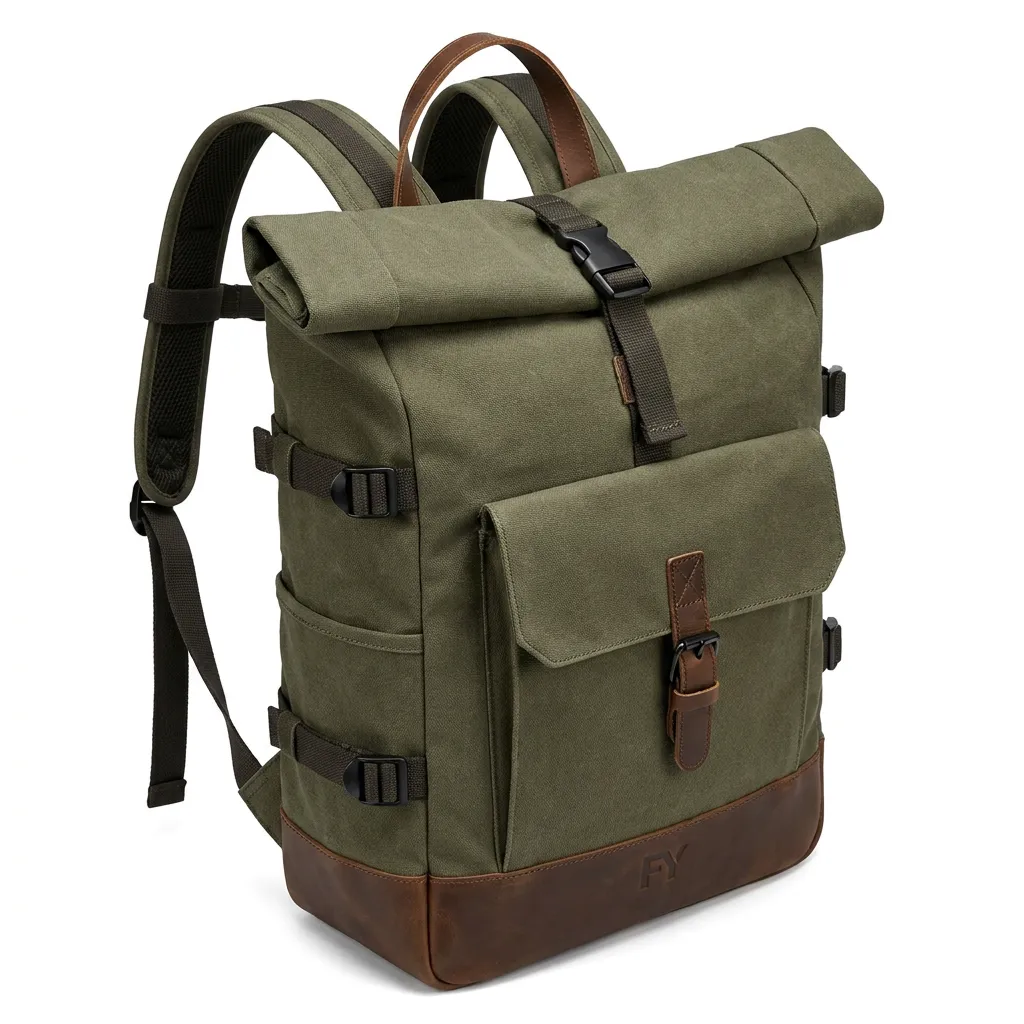
Roll-top backpack that expands from day-pack (15–20L) to travel pack (25–35L). Not a strap conversion but a volume conversion — single bag adjusts to capacity needs. Growing format for minimalist travel and waterproof commuter packs.
Not all conversions are equal. Each pathway has different strap hardware, structural requirements, and target buyers. The pathway determines the mechanism complexity, production cost, and retail price tier. Choose the pathway before specifying materials.
Backpack ↔ Tote
#1 Highest Volume
Backpack straps hide in zippered back panel or tuck under flap. Grab handles become tote handles. Add crossbody strap for 3-in-1. The broadest buyer appeal — travel, commute, parenting, everyday. Moderate mechanism complexity. 60% of convertible bag orders use this pathway.
Duffle ↔ Backpack
#2 Travel / Gym
Padded backpack straps deploy from zippered compartment on duffle back panel. Duffle handles remain accessible in both modes. For weekend travel, gym-to-office, adventure trips. Higher hardware cost (concealed-zip strap pocket adds construction). 20% of convertible orders.
Crossbody ↔ Clutch
#3 Fashion / Evening
Removable crossbody strap on swivel hooks. Bag becomes clutch or wristlet without strap. Simplest mechanism — single attachment point. PU leather or leather. For fashion brands, gift sets, day-to-night positioning. Lowest mechanism cost but highest margin per unit.
Tote ↔ Crossbody
#4 Everyday
Standard tote with D-ring points and removable adjustable crossbody strap. Simplest structural conversion — no tuck-away mechanism, no concealment. For everyday carry. The easiest convertible to produce — low hardware count, standard D-ring + strap.
Backpack ↔ Messenger
#5 Commuter
Both backpack straps clip together to form single messenger strap, or one strap detaches and the other extends. For cycling commuters who switch to professional messenger carry. Oxford or nylon. Moderate complexity — requires well-engineered clip/buckle system.
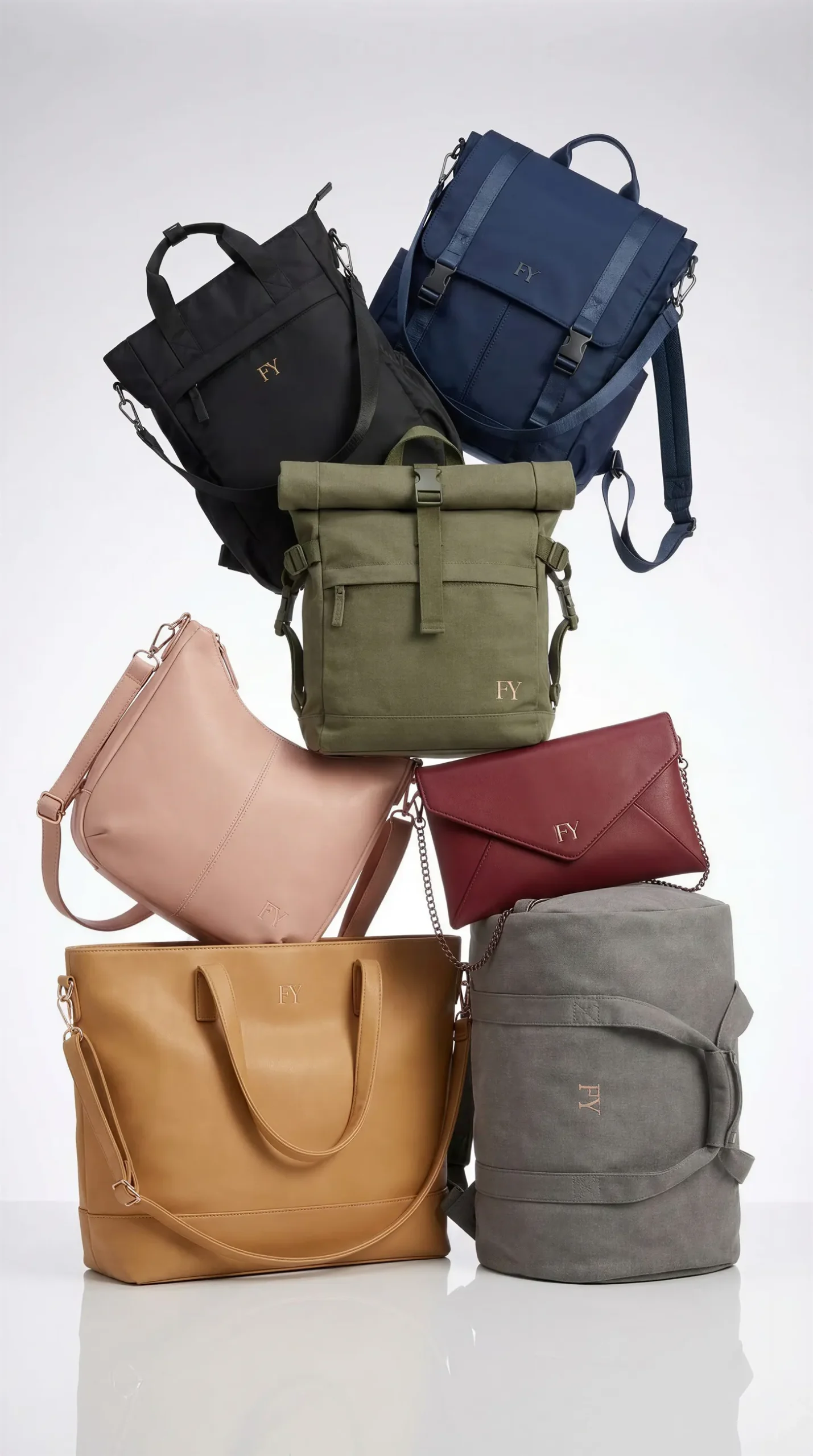
A convertible bag is only as good as its conversion mechanism. If the transformation feels awkward, straps tangle, buckles jam, or the bag looks sloppy in one mode, the product fails — regardless of material quality. We prototype and stress-test every conversion mechanism at the sampling stage, ensuring smooth, intuitive mode-switching in every configuration.
The mechanism determines hardware count, construction complexity, production time, and QC scope. More conversion modes = more hardware = more failure points. Here’s how each mechanism component works.
Tuck-Away Straps
Backpack straps that fold into a zippered pocket on the back panel. The most common backpack↔tote mechanism. Requires a full-width zippered compartment sized to hold folded straps without bulging. Magnetic closure or Velcro alternative for faster stowing. Strap base: reinforced bartack at top and bottom anchor points.
Detachable Straps
Crossbody or shoulder strap attached via swivel hooks, lobster clasps, or snap hooks on D-rings. Simplest mechanism — remove strap = clutch/handbag mode; attach strap = crossbody mode. Swivel hook quality is critical — cheap hooks bend under load or snap open. We use plated zinc-alloy hooks, tested to 15kg+ pull force.
Concealed Straps
Backpack straps hidden inside a zippered back compartment on duffles or shoulder bags. Deploy by unzipping; stow by folding in. Requires padded straps that fold flat without permanent creasing. The duffle↔backpack standard. Higher construction cost than tuck-away (separate zippered compartment + padded straps).
D-Ring System
Multiple D-ring attachment points enabling strap reconfiguration. 4–6 D-rings placed at strategic positions (top, sides, bottom corners) allow the same strap to be attached in different configurations — crossbody, shoulder, backpack. The 4-in-1 multi-mode mechanism. Requires reinforced anchor patches sewn through outer shell + interfacing.
Structural Hinge
Fold-over or zip-around construction that changes the bag’s shape. Used in bags that physically transform (e.g., flat folds into structured tote, messenger folds down into clutch). Requires flexible hinge zone with no stiffener — often a stitched crease line or gusseted fold. More complex QC than strap-only conversions.
Hardware QC
Convertible bags have 2–3× more hardware than single-mode bags. Every swivel hook, D-ring, buckle, snap, and slider is a potential failure point. We pull-test all hardware attachment points (15kg minimum on strap hooks, 10kg on D-rings). Zipper function tested in both open and closed strap-pocket configurations. Hardware cycle-tested: 500+ open/close cycles on clasps and buckles.
Every convertible bag leaves our Guangzhou factory with a fully engineered, stress-tested conversion mechanism. In-house design, pattern-making, hardware sourcing, assembly, and QC. 10+ production lines. Sample turnaround in 5–7 days.
Free Add-on: Professional Product Photography Included
Free white-background product photos for your online shop, Amazon listings, and wholesale catalogs — no additional charge on production orders.
Convertible bags use the same fabric palette as standard bags — but with significantly more hardware and reinforced attachment points. The hardware and mechanism components are what differentiate a convertible bag from a standard bag with an extra strap.

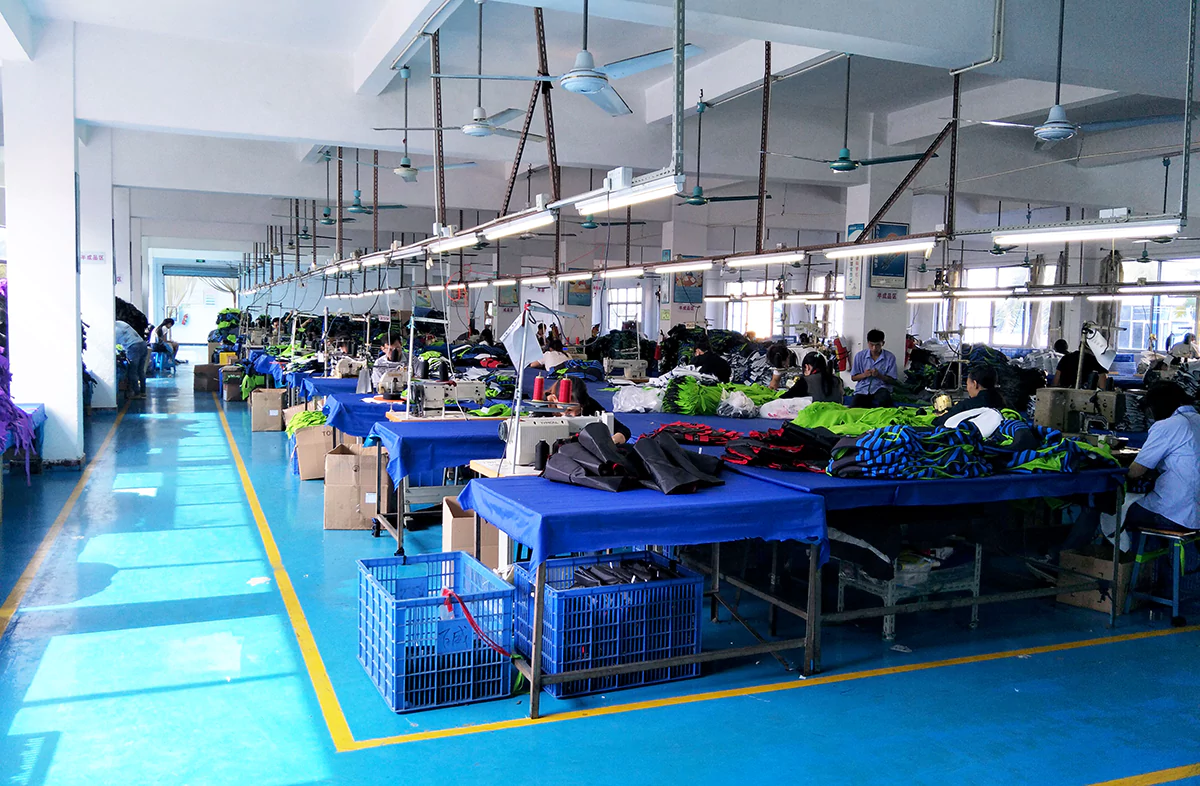
FY Bag Custom operates its own vertically integrated factory in Guangzhou, Guangdong — design, pattern-making, cutting, sewing, hardware installation, mechanism assembly, and QC all under one roof. Convertible bag production draws on our expertise across multiple bag types — backpack construction for strap engineering, tote construction for handle systems, and crossbody construction for strap-attachment hardware.
Because we manufacture every bag type that a convertible bag transforms into, we understand how each mode should look and function as a standalone product — not just as a secondary configuration. That cross-category experience is what makes our convertible mechanisms feel intentional in every mode.
Years in Manufacturing
Factory Floor Area
Professional Staff
Production Lines
Monthly Capacity
Pre-Shipment Inspection
Convertible bags have 2–3× more hardware than standard bags — every additional component is a potential failure point. Our 6-stage QC includes dedicated conversion-mechanism testing: hardware pull-testing, mode-switching cycle testing, and strap-pocket function verification. Third-party inspections (SGS, BV, TUV) welcome.
Fabric weight, color, and hand feel verified. All conversion hardware — swivel hooks, D-rings, buckles, snaps, sliders — inspected for plating quality, spring tension, and dimensional accuracy. Hardware pull-tested at incoming: hooks to 15kg, D-rings to 10kg.
PPS delivered in 5–7 days with final mechanism, fabric, and hardware. Conversion tested in every mode — each mode must look intentional, not improvised. Mechanism smoothness verified. Mass production starts only after your written sign-off.
Every strap attachment point reinforced with bartack stitching and pull-tested in-line. D-ring anchor patches verified for alignment and stitch density. Concealed-strap-pocket zippers function-tested with straps both stowed and deployed.
Sample units from every batch tested through 50+ full conversion cycles — backpack→tote→crossbody→backpack. Strap tuck/deploy smoothness verified. Buckle and clasp engagement tested. No strap tangling, no zipper snagging, no buckle jamming after 50 cycles.
Every finished convertible bag inspected one by one in every carry mode — hardware function, strap attachment, mechanism smoothness, fabric surface, lining, branding placement, and overall shape in each mode. Not sampled, not skipped.

Bags packed in primary carry mode with straps properly positioned to maintain shape. Conversion hardware protected during transit. Container loading photos and videos sent within 24 hours.
Convertible bags have longer production cycles than standard bags due to mechanism engineering and additional hardware installation. Sample in 5–7 days, bulk in 25–40 days depending on mechanism complexity.
Day 1–2
Send tech pack + conversion pathway; FOB quote in 24 hours.
Day 3–12
Function-tested prototype in 5–7 days via DHL.
Day 13–15
30% T/T deposit; balance before shipment.
Day 16–42
Daily WIP photos including mechanism assembly.
Day 43–48
100% inspection + conversion-mechanism cycle testing.
Day 46–55
Sea, air, express, or direct-to-FBA.
Sample Lead Time
5–7 Days
Mass Production
25–35 Days
Payment Terms
30% T/T · 70% Before Shipment
Shipping Terms
FOB · CIF · DDP · Amazon FBA
Over the past 15+ years, FY has manufactured convertible bags for travel brands, commuter-lifestyle companies, fashion labels, and Amazon FBA sellers worldwide.
OEM production of a 3-in-1 convertible backpack in 420D nylon — tuck-away backpack straps, grab handles for tote mode, detachable crossbody strap. Padded 15.6″ laptop compartment, luggage pass-through strap. 4 colorways. FOB to US and EU. Retail $55–75. Reordered quarterly.
ODM partnership on convertible PU leather crossbody with detachable chain strap — crossbody mode + clutch/wristlet mode. Gold hardware, pebbled PU leather, 6 colorways. FNSKU labeling, Amazon packaging, multi-mode photography. Air-shipped to FBA. Strong holiday gift-set sales.
600D Oxford convertible duffle-backpack with embroidered company logo. Concealed backpack straps, padded laptop sleeve, shoe compartment. Distributed to new employees with company welcome package. CIF delivery in 30 days. 5,000-piece order with annual replenishment.
Global Shipping Options
•Sea Freight
•Air Freight
•Express (DHL, FedEx, UPS)
•Rail Freight
•Door-to-Door
•Direct-to-Amazon FBA
Straight answers to the questions bulk-order buyers ask most often about custom convertible bag production.
Backpack↔tote (3-in-1 with optional crossbody strap) accounts for approximately 60% of convertible bag orders. It has the broadest buyer appeal — travel, commute, parenting, everyday — and a well-understood mechanism. We recommend this pathway for buyers entering the convertible category for the first time. Crossbody↔clutch is #2 for fashion-focused brands.
Convertible bags typically have moderate-to-higher MOQs than single-mode bags due to additional hardware and mechanism complexity. Simple detachable-strap conversions (tote↔crossbody, crossbody↔clutch) have lower minimums. Tuck-away and concealed-strap mechanisms have higher minimums. Contact us with your pathway and materials for a specific confirmation.
This is the #1 design challenge and our #1 priority. A convertible bag must look intentional in every mode — not like a hack. We prototype and test every mode at the sampling stage. If a mode doesn’t look right (e.g., visible strap-pocket bulge in tote mode, or sloppy handle placement in backpack mode), we revise the pattern before production. You sign off on every mode before mass production starts.
We cycle-test all conversion mechanisms at the sample stage — 50+ full conversion cycles minimum. Hardware attachment points are pull-tested to 15kg+ on strap hooks and 10kg+ on D-rings. Concealed-strap zippers are tested with straps both stowed and deployed. The mechanism must function smoothly and reliably after repeated use. Hardware quality (zinc-alloy vs. plastic) is the biggest durability variable.
Mechanism engineering, additional hardware installation, and multi-mode QC add 5–15 days to the production cycle compared to standard bags. A 3-in-1 backpack-tote has 8–12 more hardware components than a standard backpack — each one must be installed, reinforced, and tested. We recommend 25–40 days for bulk convertible bag orders.
Yes. Convertible + waterproof (convertible roll-top backpack-tote), convertible + laptop compartment, convertible + expandable volume. Each additional feature adds mechanism complexity and cost. We recommend combining no more than 2 design features to keep the product focused and QC manageable.
Yes. FNSKU labeling, Amazon-compliant polybag or box packaging, and carton labeling handled at our Guangzhou factory. Multi-mode product photography showing every carry configuration is included free on production orders — essential for Amazon listings.
Yes. European Industrial Park, Shiling Town, Huadu District, Guangzhou. Monday–Saturday. Video tours available for remote buyers.
Send us your tech pack, conversion pathway, or reference sample — we’ll come back within 24 hours with a detailed FOB quotation covering mechanism type, fabric, hardware, lining, and packaging. Multi-mode product photography included free. No templates, no copy-paste pricing.
