Tel/WhatsAapp:+86 18011919834
E-mail: chloe.x@fybagcustom.com

Tel/WhatsAapp:+86 18011919834
E-mail: chloe.x@fybagcustom.com
Send Your Inquiry Today

Years Manufacturing
Factory Area
Professional Staff
Inspection Rate
Our waterproof bag production serves outdoor/adventure brands, travel-accessories companies, commuter brands, Amazon FBA sellers, promotional distributors, and corporate buyers — any buyer who needs bags engineered to specific water-protection levels.



Most bags marketed as “waterproof” are actually water-resistant. The difference matters — to your customers, to marketplace compliance, and to your return rate. Understanding the distinction is the starting point for every waterproof bag sourcing project.

A waterproof fabric doesn’t make a waterproof bag. Water enters through stitched seams, zipper teeth, and hem openings — not through the fabric panel. A bag made from 100% waterproof TPU with stitched seams still leaks. The fabric is only one layer of the waterproofing system.

Every sewing needle creates a hole. Every hole lets water through under pressure. Seam tape, seam welding, or seamless construction must close those holes. The seam treatment determines whether a bag is “water-resistant” (IPX3–4) or “waterproof” (IPX6+). Most buyers overlook this.

A welded-seam bag with a standard zipper is NOT waterproof — water enters through the zipper teeth. True waterproof closure requires roll-top (most reliable), waterproof zippers (YKK Aquaguard or equivalent), or heat-sealed openings. The closure is the second-most-common failure point after seams.

The IPX rating system provides objective, testable standards for water protection — from IPX0 (none) to IPX8 (submersible). Yet most “waterproof” bags ship without any IPX rating or third-party testing. Brands that spec an IPX rating reduce returns and build credibility.

A commuter backpack doesn’t need IPX7 submersible construction — IPX3–4 splash resistance is sufficient and costs 40–60% less. Matching the waterproof level to the actual use case saves cost without sacrificing performance. We help buyers specify the right level.
From DWR-coated commuter backpacks to fully welded submersible dry bags, we manufacture across the full water-protection spectrum — every format engineered to its target IPX level.
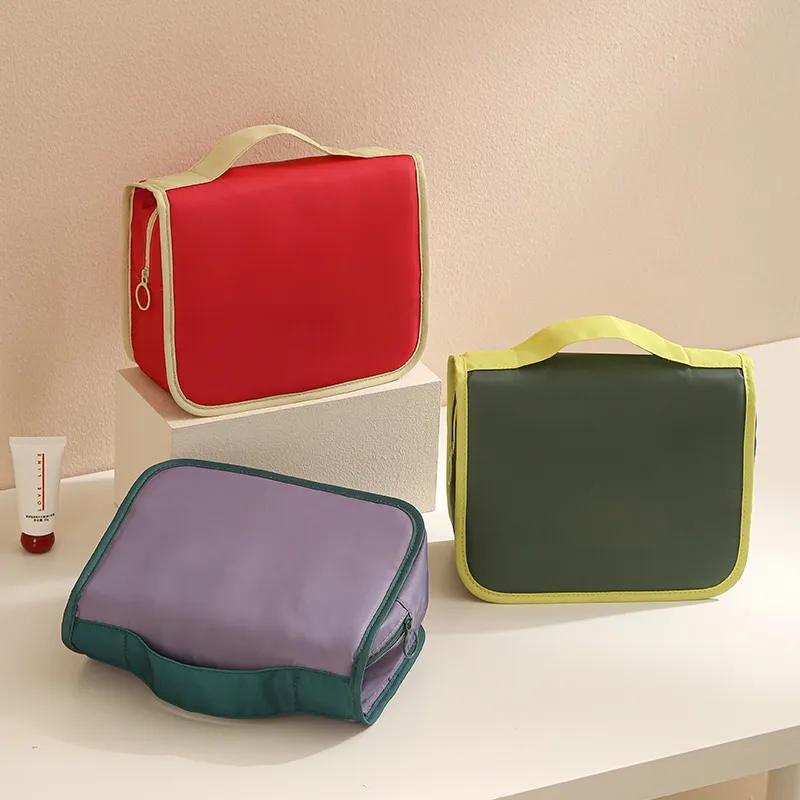
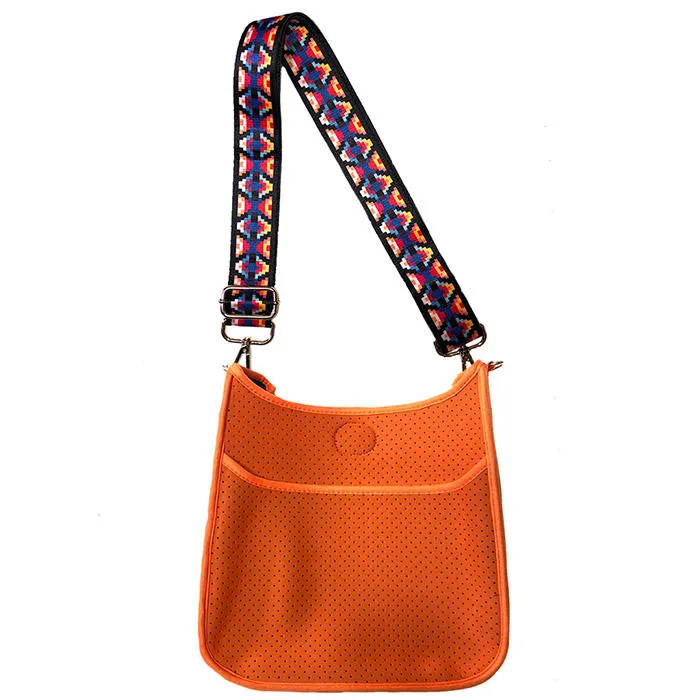
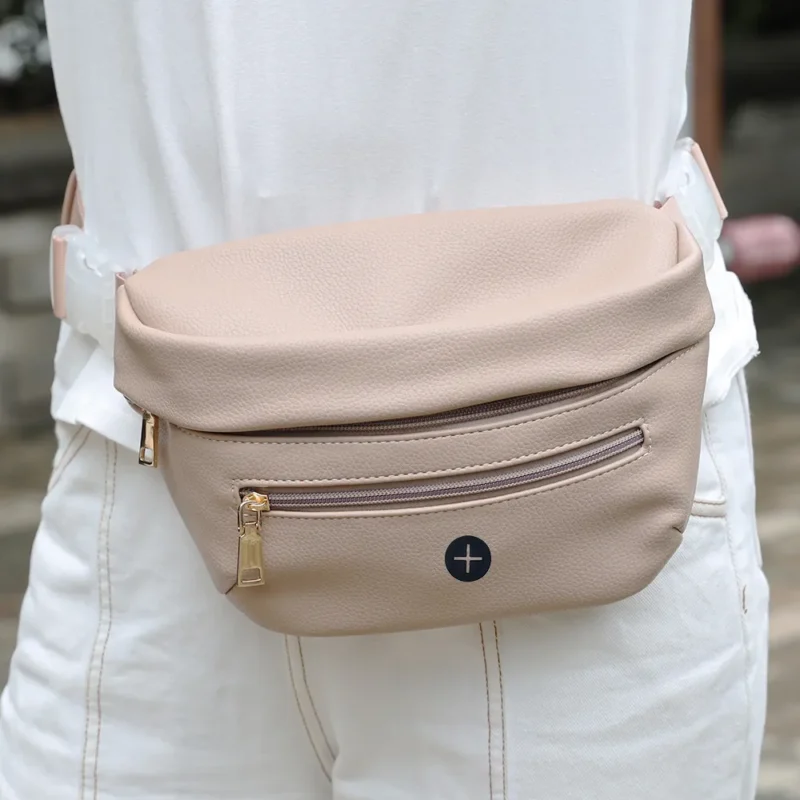
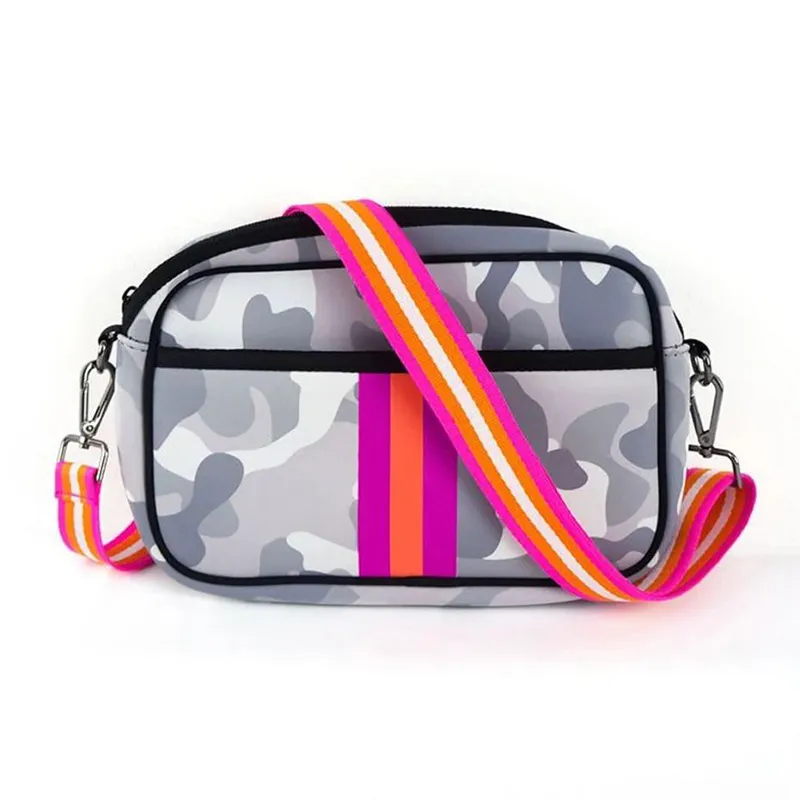
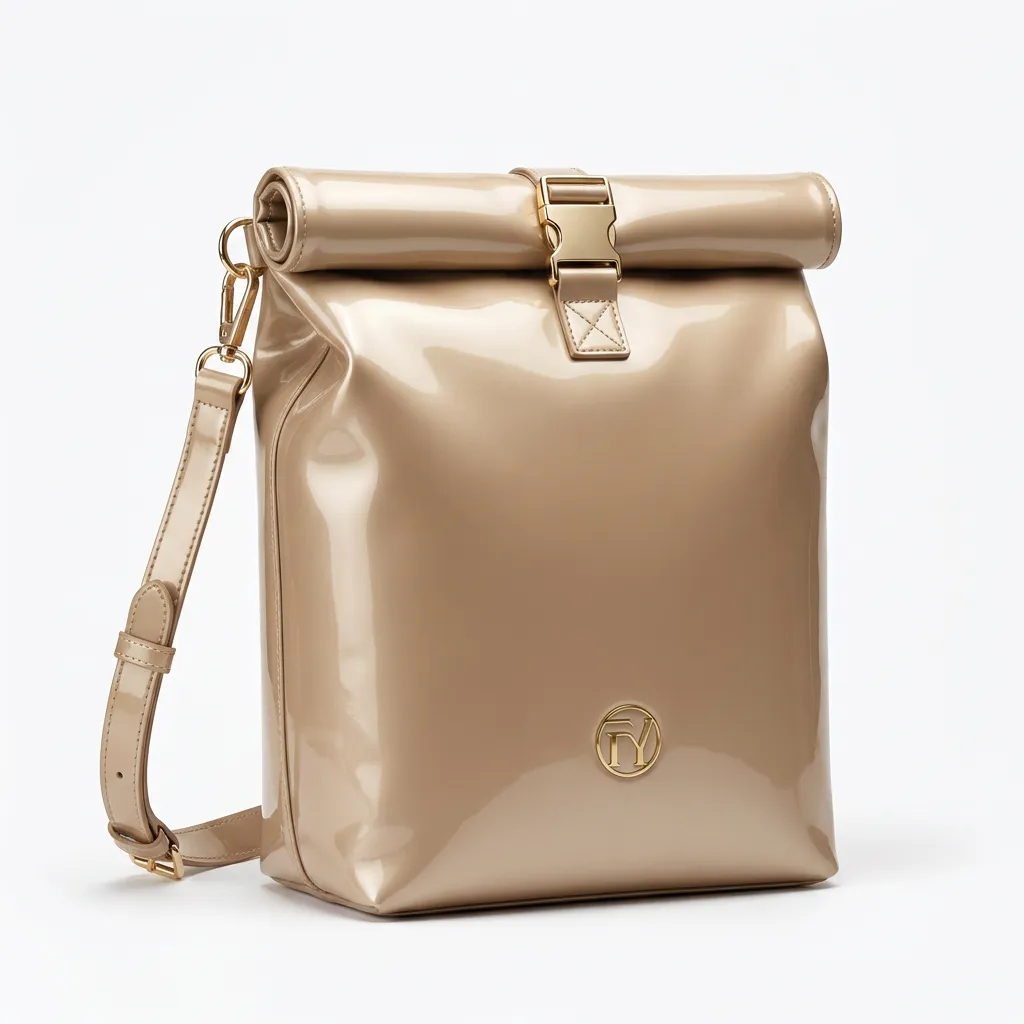
Welded-seam cylindrical bag with roll-top closure — the gold standard for true waterproof (IPX6–IPX7). TPU-laminated nylon or PVC tarpaulin. 5L to 40L. For kayaking, water sports, camping, and beach. The simplest and most reliable waterproof bag format.
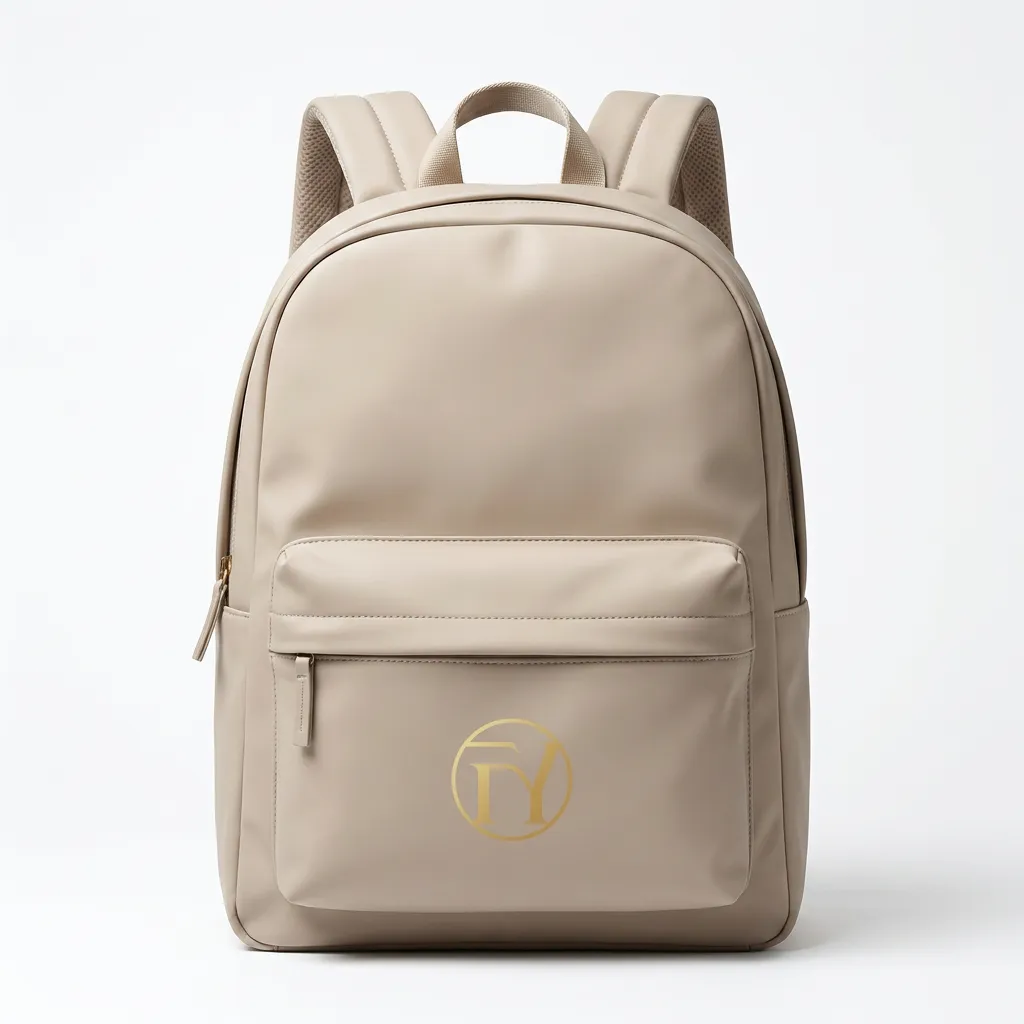
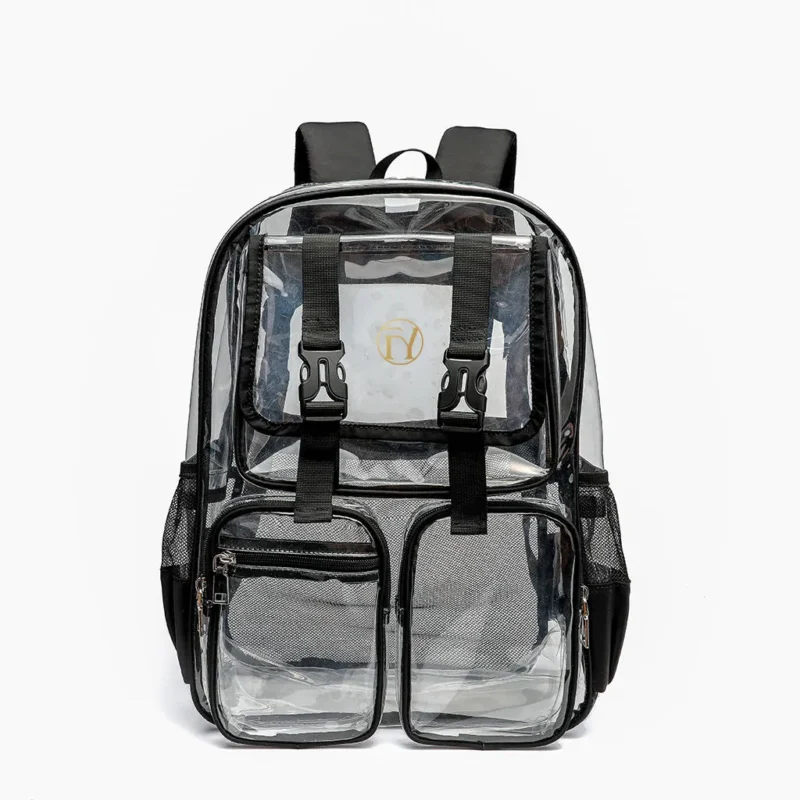
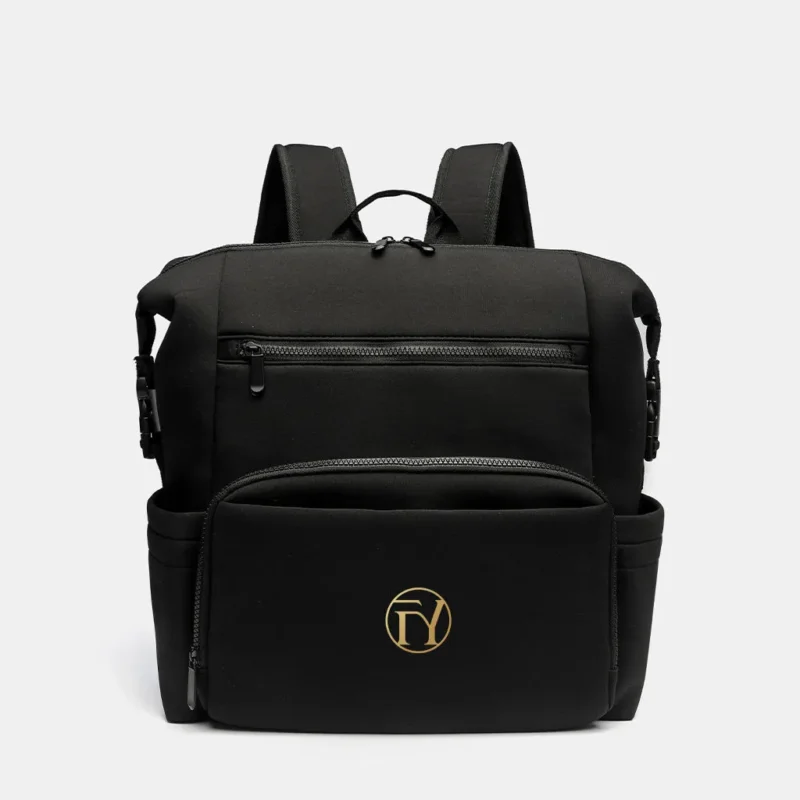
Roll-top or waterproof-zip backpack with welded or sealed seams. TPU-laminated fabric. Padded back panel and shoulder straps. IPX5–IPX7 depending on construction. For outdoor brands and premium commuter lines.
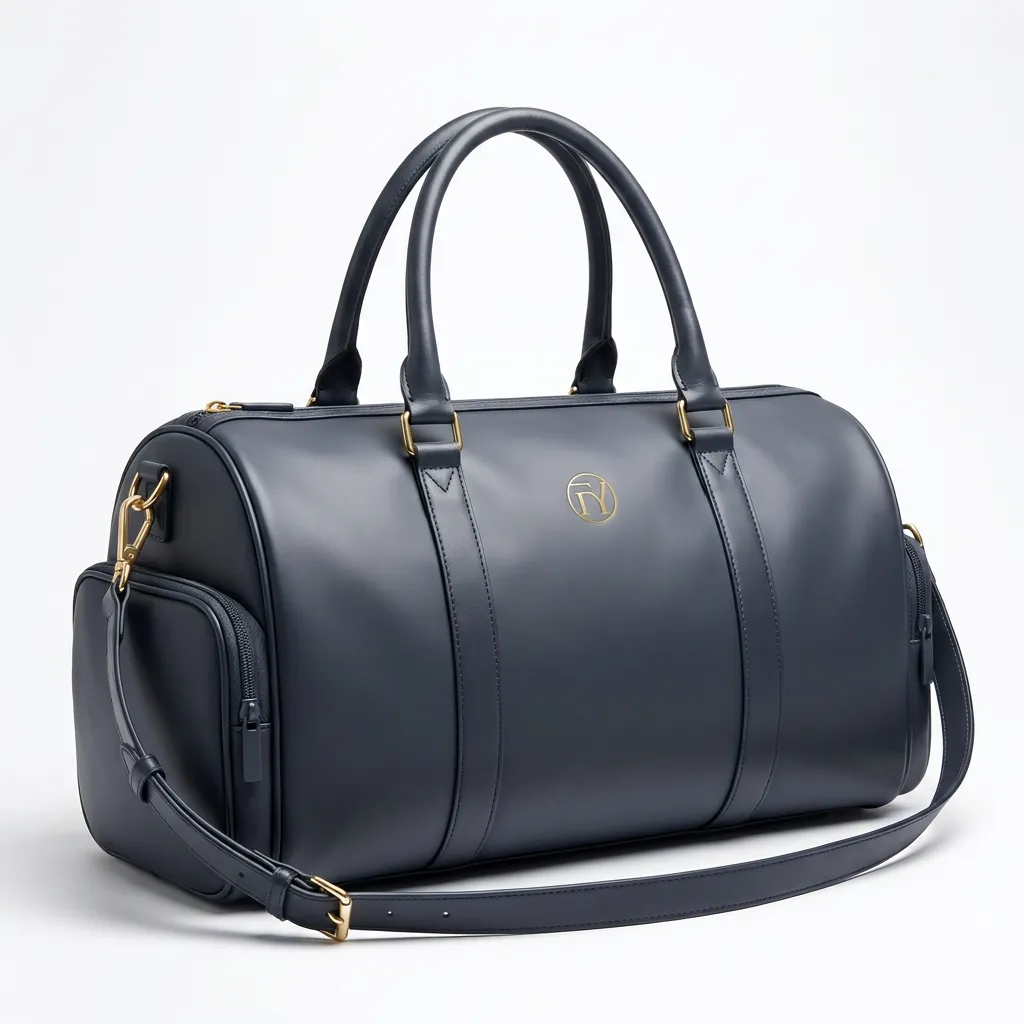
Welded-seam or sealed-seam duffle with roll-top or waterproof-zip closure. TPU-laminated nylon. 30L–80L. For adventure travel, sailing, motorcycle touring. Dual carry: shoulder strap + grab handles. IPX5–IPX7.
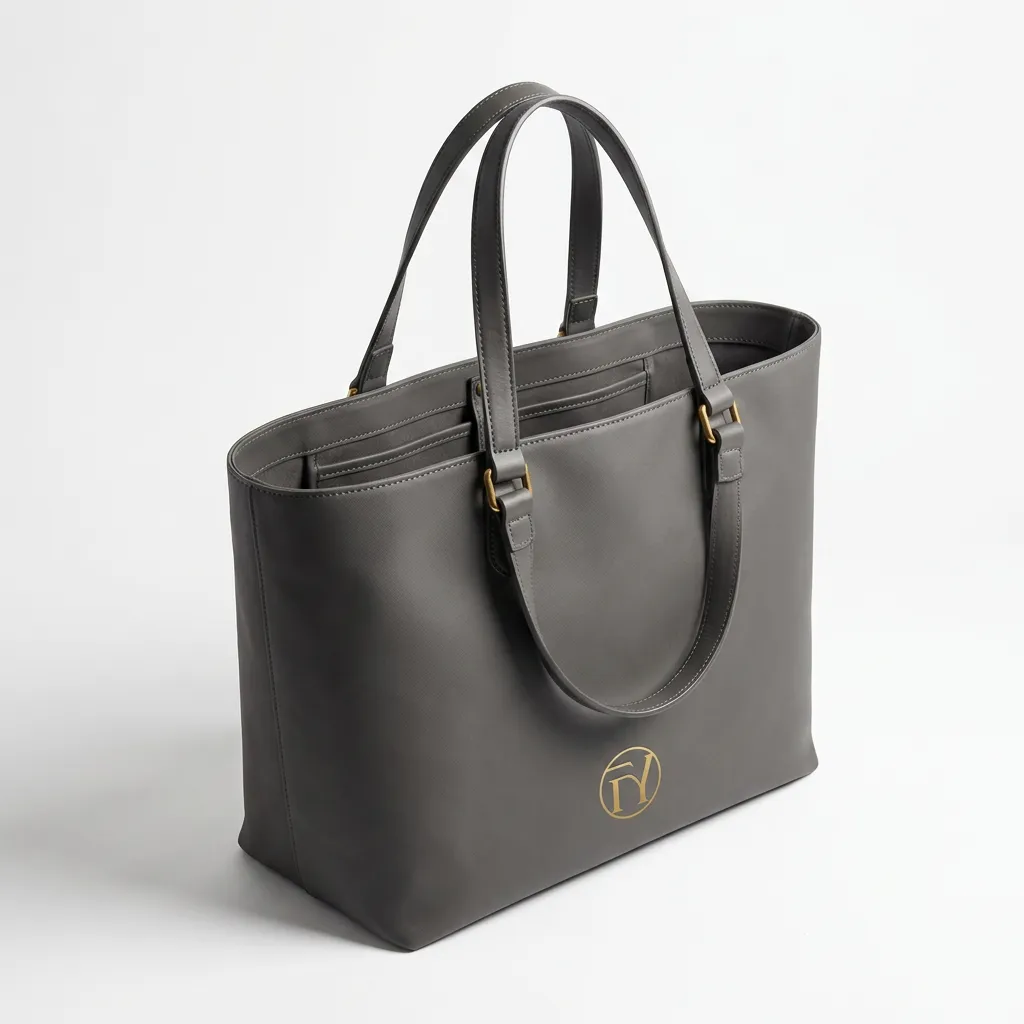
Splash-proof tote with coated fabric exterior and sealed bottom seam. Zip or snap top closure. PU-coated nylon or TPU-laminated polyester. IPX3–IPX4. For beach, pool, market, and rainy-day commute applications.
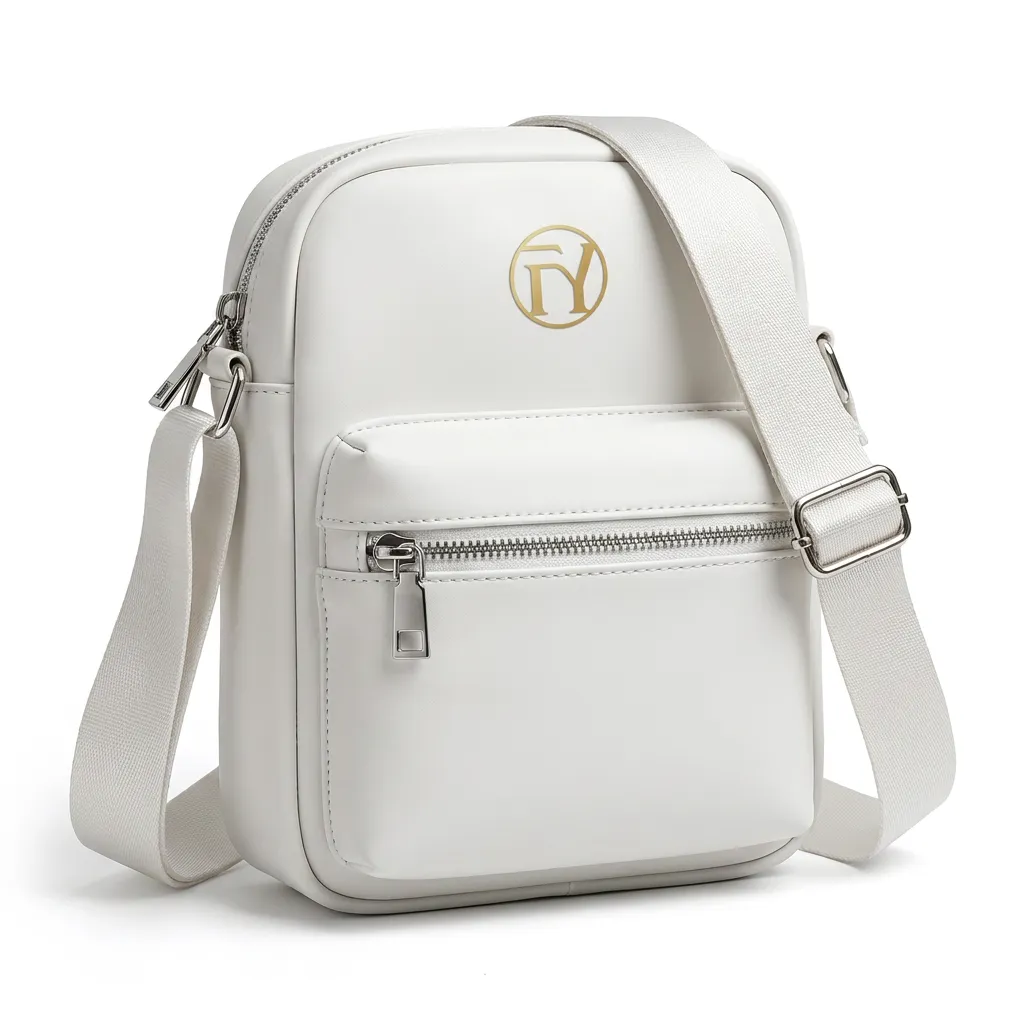
Compact sealed-seam crossbody with waterproof zip or welded closure. TPU-laminated fabric. For travel, festivals, and outdoor activities. IPX4–IPX6. Growing Amazon category for hands-free outdoor carry.
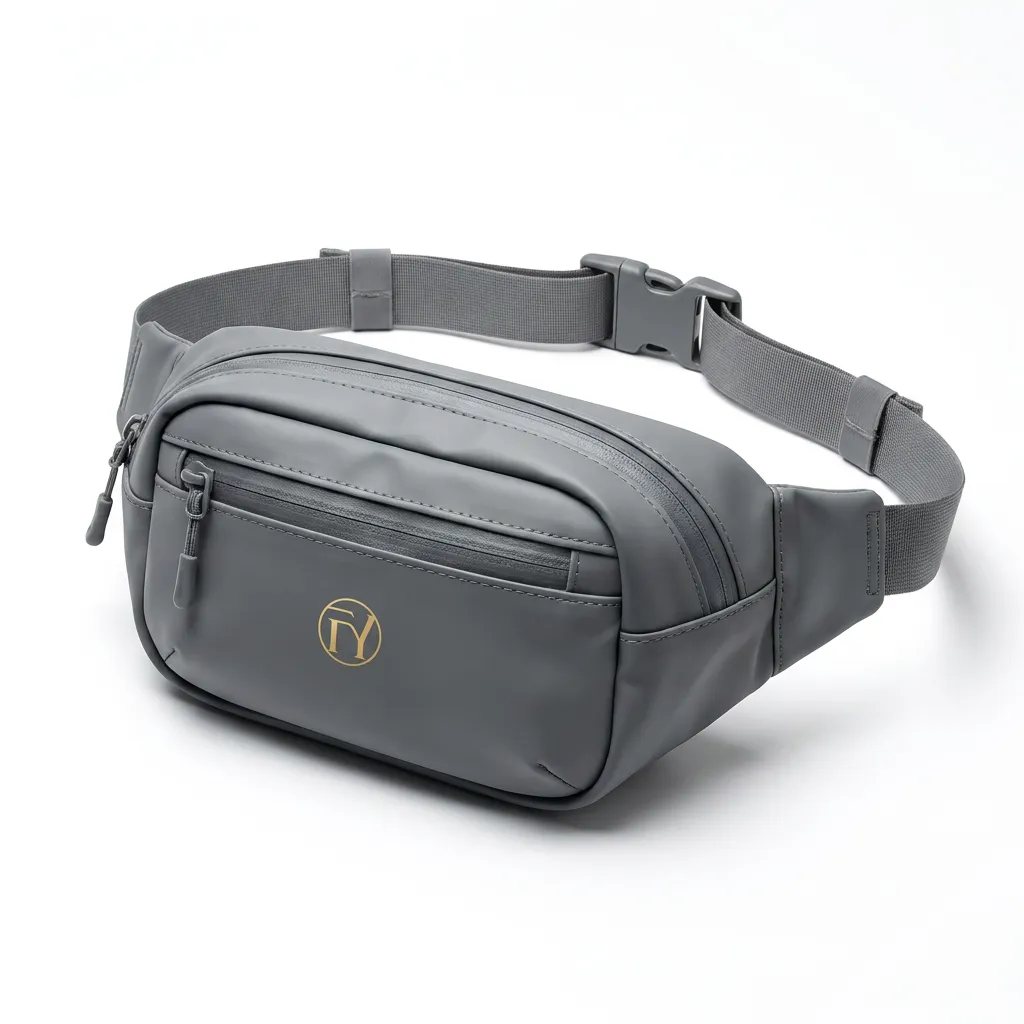
Sealed or welded fanny pack with water-resistant zip or welded closure. For water parks, boating, beach, running in rain. PVC or TPU body, or coated nylon. IPX4–IPX6. Overlaps with clear bag category for pool/beach use.
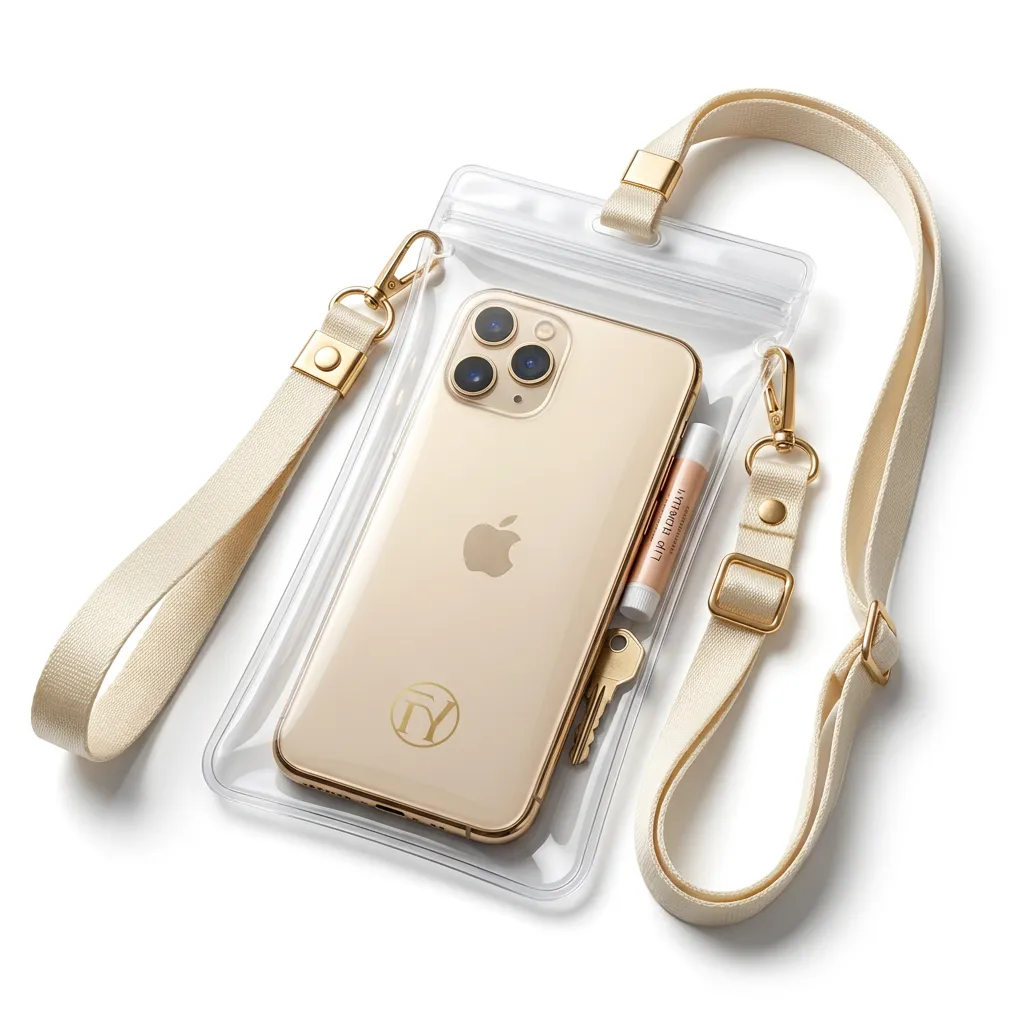
Welded PVC or TPU pouch for phones, documents, electronics, and valuables. IPX7–IPX8 (submersible). For water sports, beach, travel, and boating. The simplest waterproof product — RF-welded PVC/TPU with snap or zip-lock closure.
Water protection is not binary — it’s a spectrum of six escalating construction methods. Each level has different fabric, seam, closure, cost, and marketing-claim implications. Choosing the right level for your application is the first and most important sourcing decision.
Level 1: DWR Coating
IPX2 · Light Splash
Spray-on or dip DWR coating on standard fabric. Water beads on surface for 5–15 minutes before soaking through. No seam treatment. Standard zippers. For light rain and splash scenarios. The minimum water-protection spec — suitable for promotional bags, canvas totes, and casual backpacks. DWR wears off over time and needs reapplication.
Level 2: PU / PVC Coating
IPX3 · Rain Resistant
Level 3: Sealed Seams
IPX4 · Splash-Proof
Coated fabric with heat-applied seam tape covering all stitched seams from the interior. Closes needle holes. Water-resistant zipper upgrade recommended. Handles heavy rain and sustained wet conditions. The standard for quality commuter backpacks, travel bags, and urban outdoor gear. Cost premium over Level 2: 15–25%.
Level 4: Laminate + Tape
IPX5 · Jet Resistant
TPU film laminated to fabric face or reverse — completely blocks water at the fabric level. Combined with seam tape and water-resistant zipper. Handles heavy, sustained rain and direct water jets. The standard for mid-tier outdoor bags and premium travel gear. Fabric cost 2–3× coated fabric.
Level 5: Welded Seams
IPX6 · Heavy Spray
TPU-laminated or PVC fabric with RF-welded or hot-air-welded seams — no sewing, no needle holes. Waterproof zipper (YKK Aquaguard or equivalent) or roll-top closure. Handles powerful water jets and sustained heavy spray. The entry point for genuine “waterproof” claims. Cost premium over Level 3: 40–70%.
Level 6: Submersible
IPX7–IPX8 · Underwater
100% welded seams (zero stitching), roll-top closure (no zipper), heavy-gauge TPU or PVC tarpaulin. Rated for submersion at defined depth and duration. The highest waterproof standard. For dry bags, kayak deck bags, sailing gear, and extreme-conditions storage. Tested and certified to IPX7 (1m/30 min) or IPX8 (deeper).
Your fabric can be 100% waterproof. Your closure can be a roll-top. But if your seams are stitched and untaped, water enters through every needle hole under the slightest pressure. Seam construction is the single most overlooked specification in waterproof bag sourcing — and the most common cause of “waterproof” product failures and returns.
We produce bags across all four seam-construction methods and recommend the right level based on your target IPX rating, production budget, and end-use application.
Stitched (Standard)
Standard sewing. No seam waterproofing. Every stitch creates a needle hole (~0.5mm). Water penetrates under light pressure. Acceptable only for DWR-coated bags (Level 1) where the fabric itself is the primary — and temporary — barrier. Not suitable for any bag marketed as “water-resistant” or “waterproof.”
Seam Tape (Heat-Applied)
PU or TPU tape heat-pressed over stitched seams on the interior. Covers needle holes. The most common waterproofing upgrade — adds IPX3–IPX4 capability. Applied to all interior seams using a seam-sealing machine. Tape width: 20mm or 25mm. Cost increase: 10–20% over untaped. Required for any bag claiming “water-resistant.”
Welded (RF / Hot-Air)
Radio-frequency or hot-air welding bonds fabric panels without sewing — zero needle holes. Creates fully waterproof seams (IPX5–IPX7). The same technology used on our clear bags and PVC/TPU bags. Requires TPU-laminated or PVC fabric — cannot weld uncoated cotton, canvas, or standard polyester. Cost increase: 30–50% over seam tape.
Hybrid (Weld + Stitch)
Primary seams welded, secondary seams stitched + taped. The practical middle ground for bags that need structural features (padded straps, internal pockets, zipper gussets) that are difficult to weld. Main body panels: welded. Strap attachment, pocket seams, zipper tape: stitched and taped. Most commercial “waterproof” backpacks and duffles use this method.
Closure Systems
Roll-top: most reliable waterproof closure, no mechanical failure points. Waterproof zipper (YKK Aquaguard or equivalent): TPU-coated teeth, water-resistant but not fully submersible. Heat-sealed: for pouches and simple bags. Standard zipper + storm flap: budget water-resistant option, not truly waterproof.
Testing
Hydrostatic head test: measures water pressure a fabric/seam can withstand before leaking (measured in mm). Spray test (IPX3–4): water spray at defined pressure and duration. Jet test (IPX5–6): directed water jet. Submersion test (IPX7–8): defined depth and duration. We can arrange third-party testing through SGS, BV, or TUV.
Every waterproof bag leaves our Guangzhou factory engineered to your target protection level. In-house design, coating/lamination, seam taping, RF welding, hot-air welding, and QC. 10+ production lines. Sample turnaround in 5–7 days.
Free Add-on: Professional Product Photography Included
Free white-background product photos for your online shop, Amazon listings, and wholesale catalogs — no additional charge on production orders.
Waterproofing is a system — fabric base, coating/lamination, seam treatment, closure, and hardware. Every component must be specified together. Here’s the full material palette available for waterproof bag production.
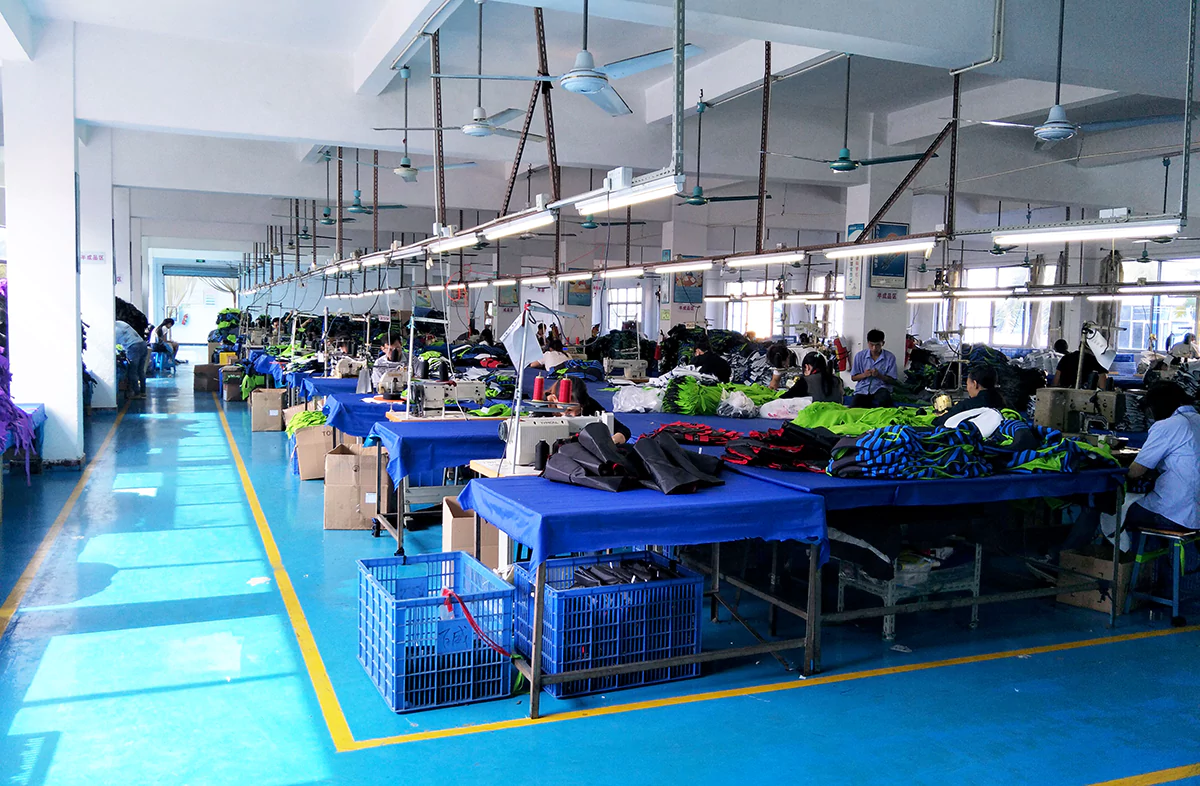
FY Bag Custom operates its own vertically integrated factory in Guangzhou, Guangdong — design, cutting, sewing, seam taping, RF welding, hot-air welding, coating, and QC all under one roof. Our waterproof bag production shares welding capabilities with our PVC & TPU bag and clear bag lines — the same RF-welding and hot-air-welding equipment used for transparent bags is used for waterproof seam construction.
In-house seam taping and welding means we control the waterproof-critical seam quality directly — no outsourced welding, no quality drift between batches. Every waterproof bag is water-tested at the production line before final inspection.
Years in Manufacturing
Factory Floor Area
Professional Staff
Production Lines
Monthly Capacity
Pre-Shipment Inspection
Waterproof bags face the highest-stakes QC of any bag category — a single failed seam or seal means the product doesn’t perform its core function. Our 6-stage QC includes production-line water testing on every batch. Third-party inspections and IPX certification (SGS, BV, TUV) welcome.
Coated/laminated fabric tested for coating adhesion, denier, and hydrostatic head (water column test on sample cuts). TPU laminate bond strength verified. DWR-treated fabric spray-tested for bead-and-roll performance. Rejected rolls isolated before cutting.
PPS delivered in 5–7 days with final fabric, seam method, and closure. Water-tested before shipping to you. Mass production starts only after your written sign-off on water performance, material, and overall construction.
Seam tape adhesion tested on every production batch — tape peel-tested under heat and tension. Welded seams inspected for weld consistency, width, and bond strength. No gaps, bubbles, or over-burnt edges. Weld strength pull-tested on sample units.
Sample units from every production batch filled with colored water and inverted for defined duration (15 min for IPX4, 30 min for IPX6, submersion for IPX7). Any leakage = batch halt and seam rework. Water-test documentation photographed per batch.
Every finished waterproof bag inspected one by one — seam/weld integrity, closure function, coating surface (no scratches or coating damage), hardware, label placement, and overall construction. Not sampled, not skipped.

Bags packed flat or stuffed depending on format. Coated surfaces packed with interleaving to prevent blocking (surface sticking). Container loading photos and videos sent within 24 hours.
Waterproof bags have moderate-to-longer production cycles depending on seam method. DWR-coated and seam-taped bags follow standard timelines. Welded-seam bags require additional setup and QC time. Sample in 5–7 days, bulk in 20–35 days.
Day 1–2
Send tech pack + target IPX level; FOB quote in 24 hours.
Day 3–10
Water-tested prototype in 5–7 days via DHL.
Day 11–13
30% T/T deposit; balance before shipment.
Day 14–40
Daily WIP photos including water-test documentation.
Day 41–45
100% inspection + batch water testing.
Day 46–55
Sea, air, express, or direct-to-FBA.
Sample Lead Time
5–7 Days
Mass Production
25–35 Days
Payment Terms
30% T/T · 70% Before Shipment
Shipping Terms
FOB · CIF · DDP · Amazon FBA
Over the past 15+ years, FY has manufactured waterproof bags for outdoor brands, travel companies, Amazon FBA sellers, and corporate buyers worldwide.
OEM production of 6-size roll-top dry bag collection in 500D PVC tarpaulin with RF-welded seams. IPX7 tested and certified via SGS. 4 colorways. Buckle closure + welded D-ring attachment points. FOB to US and EU distribution centers. Retail $18–45 depending on size.
ODM partnership on a PU-coated 600D Oxford backpack with taped seams and water-resistant zippers. IPX4 rated. Padded laptop compartment, organizer pocket, hidden back pocket. Screen-printed logo. FOB to US. Retail $35–55. Reordered quarterly.
ODM waterproof crossbody in TPU-laminated 210D nylon with welded seams and waterproof zip. IPX5. 3 colorways. FNSKU labeling, Amazon polybag, free photography. Air-shipped to FBA in US and UK. Ranked top 40 in “waterproof crossbody bag” within 60 days.
Global Shipping Options
•Sea Freight
•Air Freight
•Express (DHL, FedEx, UPS)
•Rail Freight
•Door-to-Door
•Direct-to-Amazon FBA
Straight answers to the questions bulk-order buyers ask most often about custom waterproof bag production.
Water-resistant (IPX3–4) means the bag repels rain and splashes for a defined period — suitable for commuting, travel, and light outdoor use. Waterproof (IPX6+) means the bag keeps contents dry under sustained heavy water exposure or submersion — required for water sports, marine use, and extreme conditions. The difference is primarily in seam construction and closure type, not fabric. We produce both levels and recommend based on your application.
Yes. Every waterproof bag batch is water-tested at our production line — sample units are filled and inverted for the duration matching the target IPX level. For buyers who need formal certification, we coordinate third-party IPX testing through SGS, BV, or TUV. Test reports are delivered with the shipment.
IPX2–3 for promotional and casual use (DWR or coated fabric, basic). IPX3–4 for commuter bags, travel gear, and urban outdoor (coated fabric + seam tape). IPX5–6 for outdoor/adventure and marine-adjacent use (TPU-laminated + welded or taped seams). IPX7–8 for submersible dry bags and water-sports gear (fully welded + roll-top). We help you choose based on your application and budget.
Depends on the waterproof level. DWR-coated and seam-taped bags (IPX2–4) have similar MOQs to standard bags. Welded-seam bags (IPX5+) may have higher minimums due to specialized equipment setup and slower production speed. Roll-top dry bags in standard PVC tarpaulin can start at competitive minimums. Contact us with your spec for a specific confirmation.
We can apply some level of water resistance to virtually any bag type — DWR coating works on canvas, cotton, and any fabric. PU coating works on nylon, polyester, and Oxford. Full welded-seam waterproofing requires TPU-laminated or PVC fabric — it cannot be applied to uncoated natural fibers. We recommend the appropriate level based on your bag type and target use.
Yes. DWR (Durable Water Repellent) is a surface treatment, not a permanent coating. It degrades with UV exposure, abrasion, and washing — typically lasting 6–18 months of regular use. PU coating and TPU lamination are permanent and do not wear off. For bags marketed as water-resistant for the product’s lifetime, PU coating minimum is recommended over DWR.
Yes. FNSKU labeling, Amazon-compliant polybag packaging, and carton labeling handled at our Guangzhou factory. Direct to FBA warehouses in the US, EU, UK, and other markets.
Yes. European Industrial Park, Shiling Town, Huadu District, Guangzhou. Monday–Saturday. Video tours available for remote buyers.
Send us your tech pack, target IPX level, and application — we’ll come back within 24 hours with a detailed FOB quotation covering fabric, coating/lamination, seam method, closure type, hardware, and packaging. No templates, no copy-paste pricing.
