Tel/WhatsAapp:+86 18011919834
E-mail: chloe.x@fybagcustom.com

Tel/WhatsAapp:+86 18011919834
E-mail: chloe.x@fybagcustom.com
Send Your Inquiry Today

Years Manufacturing
Factory Area
Professional Staff
Inspection Rate
Direct digital printing serves buyers who need personalization, on-demand capability, photographic resolution, or ultra-short runs — business models and product types that are impossible with traditional print methods.


Screen printing needs screens. Heat transfer needs films. Lamination needs cylinders. Digital printing needs nothing but a file. That zero-tooling, zero-setup reality unlocks five capabilities no other method can match.

Every single bag can carry a different name, monogram, photo, QR code, or serial number — printed individually from a variable-data file. No other print method can do this economically. For corporate gifts with employee names, wedding favors with guest names, and custom-merch with buyer-uploaded artwork. Personalization IS digital printing’s killer application.

Print 1 bag or 1,000 bags at the same per-unit print cost — no setup amortization, no minimum run tied to the print method. For print-on-demand businesses, Shopify stores, Etsy sellers, and sample production. Digital printing is the only method where single-unit production is economically rational.

No screen creation ($30–80 per color). No gravure cylinder ($200–500). No transfer-film preparation. The artwork file IS the production tool. Change the design between bags with zero changeover. For multi-design collections, prototype testing, and market validation — digital has the fastest path from concept to finished product.

DTG water-based pigment ink absorbs INTO the cotton or canvas fiber — the print becomes part of the fabric, not a layer sitting on top. Zero tactile presence. No film edge. No stiffness. The softest, most “printed-into-the-fabric” result of any full-color method. Superior to heat transfer (film on surface) and screen print (ink on surface).

1200+ DPI output — the highest print resolution available on bag fabrics. Photographic images, fine gradients, tiny text, and complex artwork reproduce with clarity that screen printing and heat transfer cannot match. For art-reproduction totes, photography-based designs, and intricate illustrations. Resolution IS the quality differentiator.
DTG digital printing works best on cotton and canvas — the natural fibers that absorb water-based pigment ink for the softest, most vibrant results. Flatbed inkjet extends capability to blended fabrics and pre-cut panels. Here are the most-ordered digitally printed bag formats.
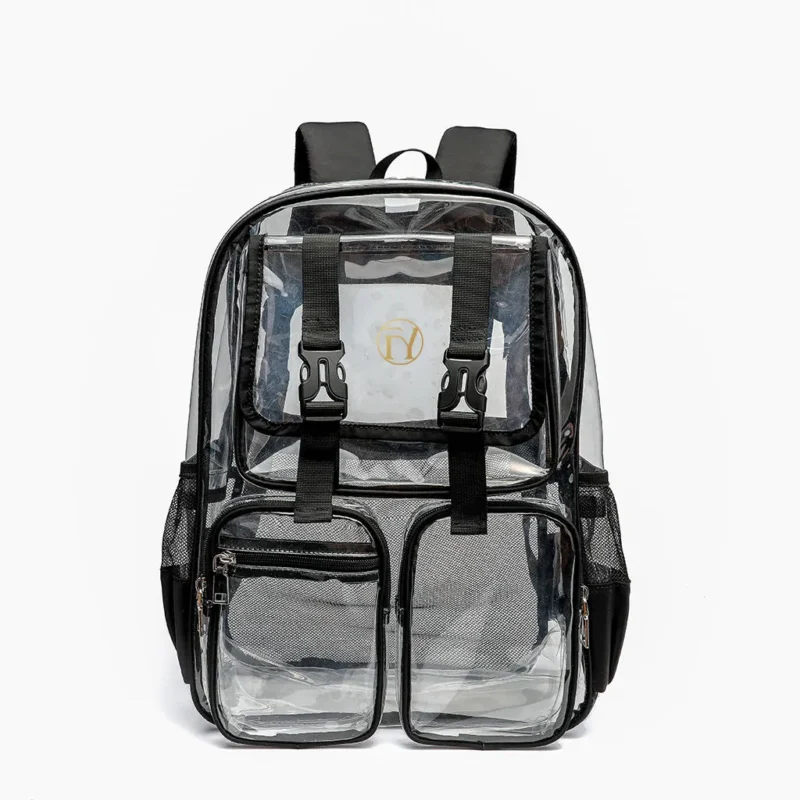
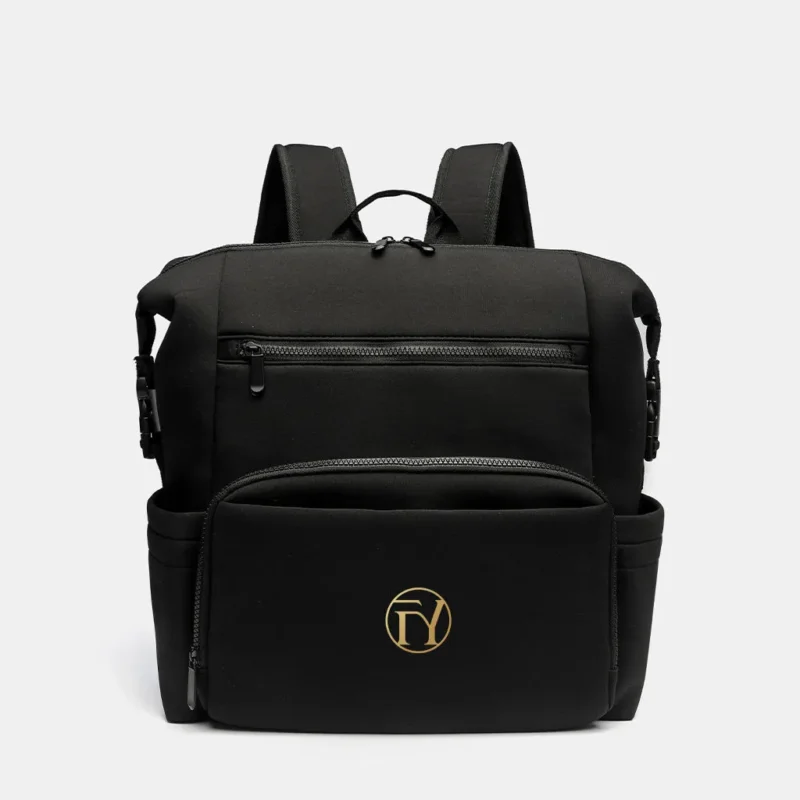
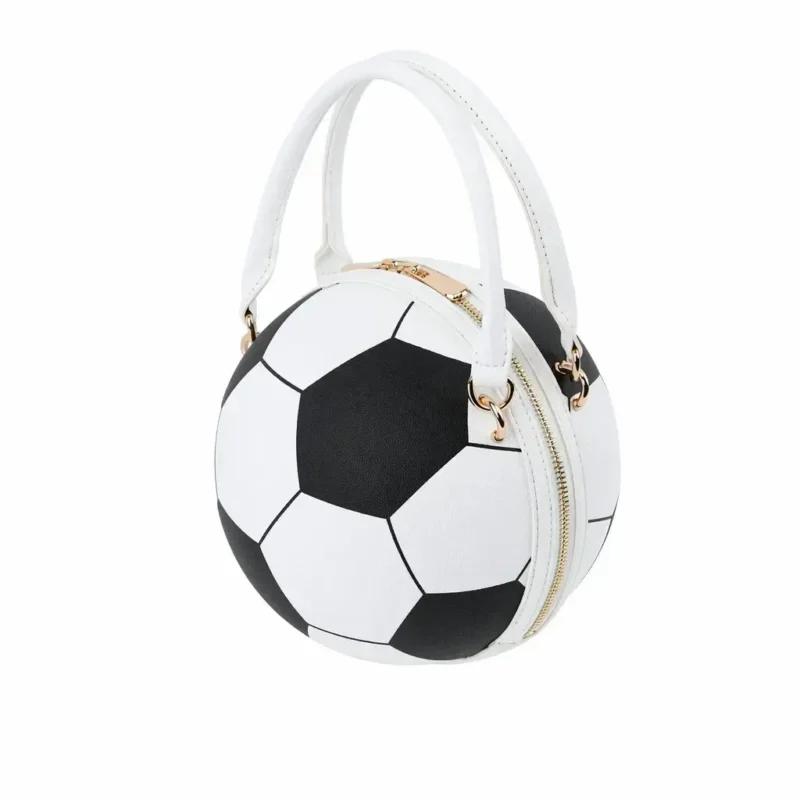
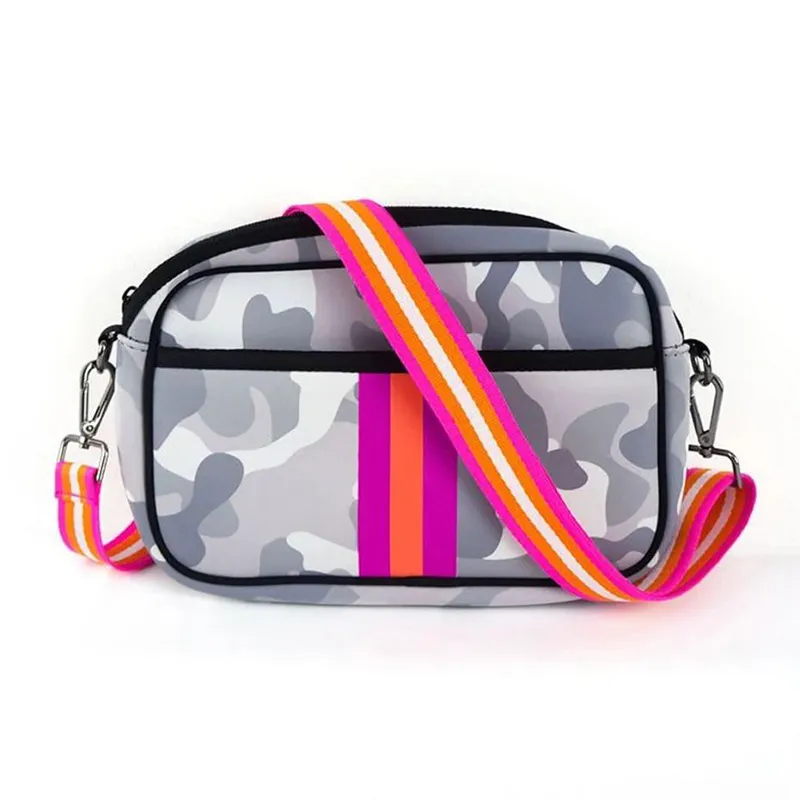
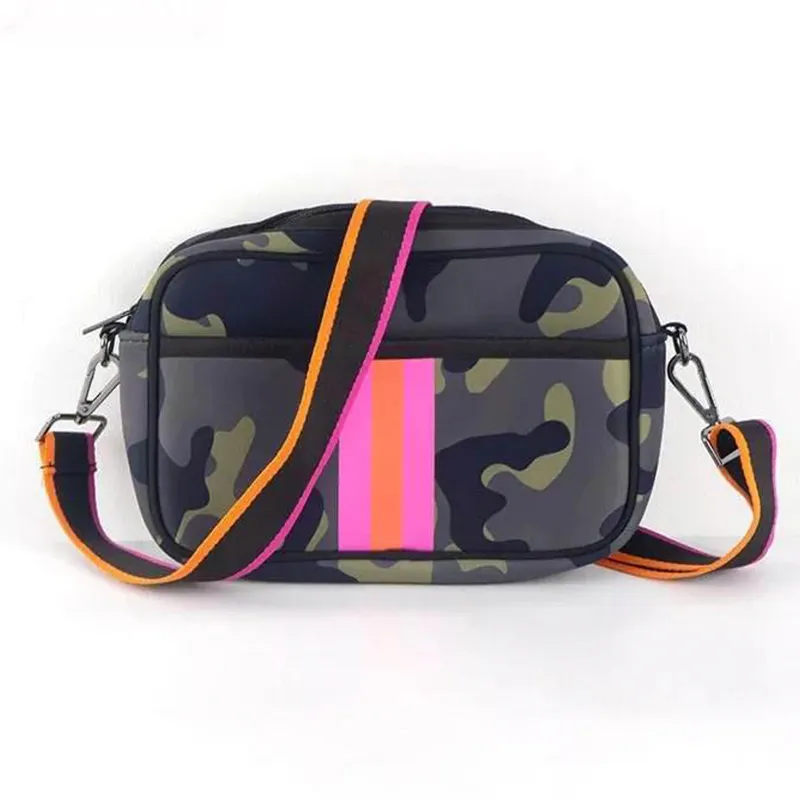
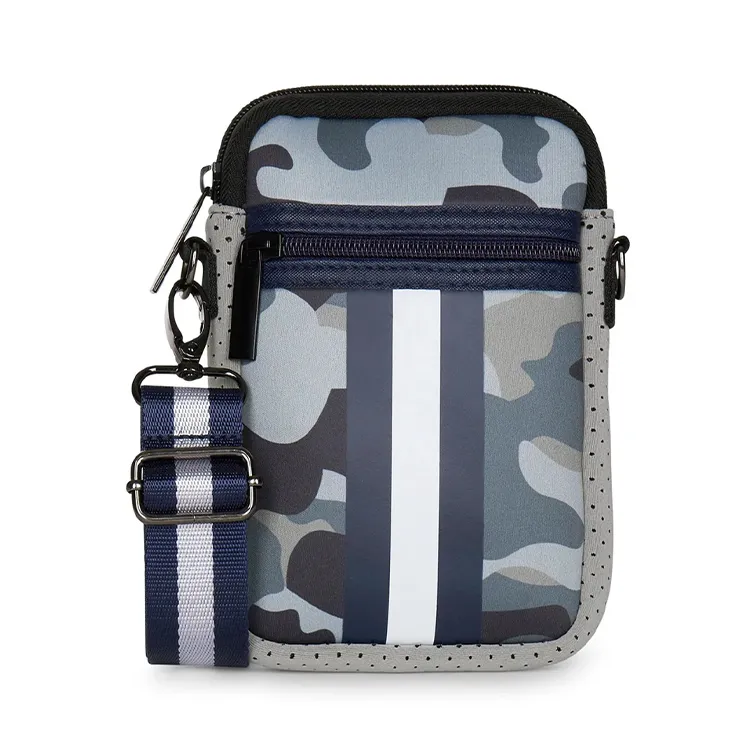
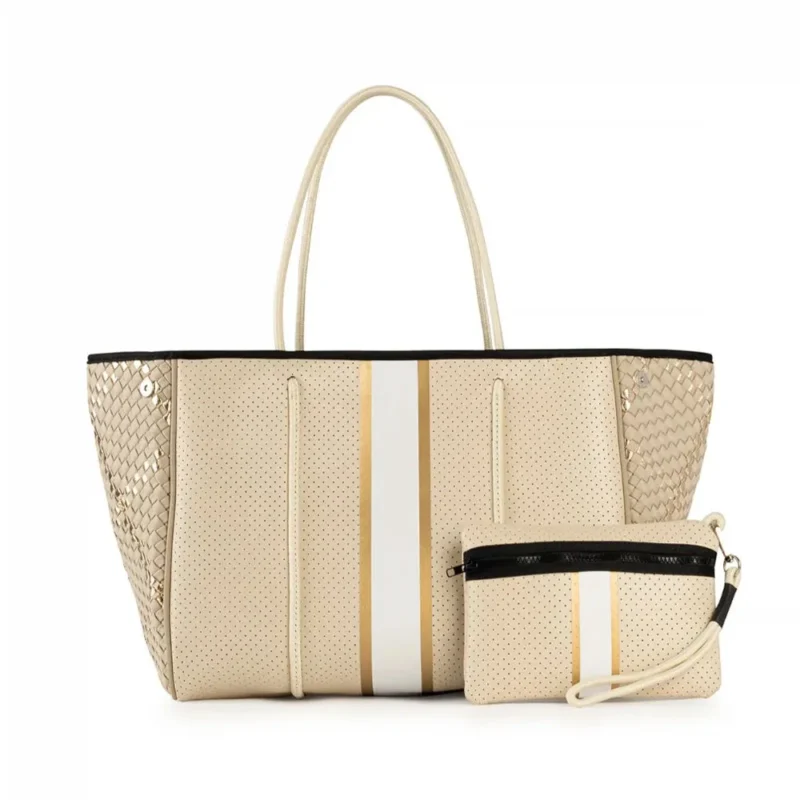
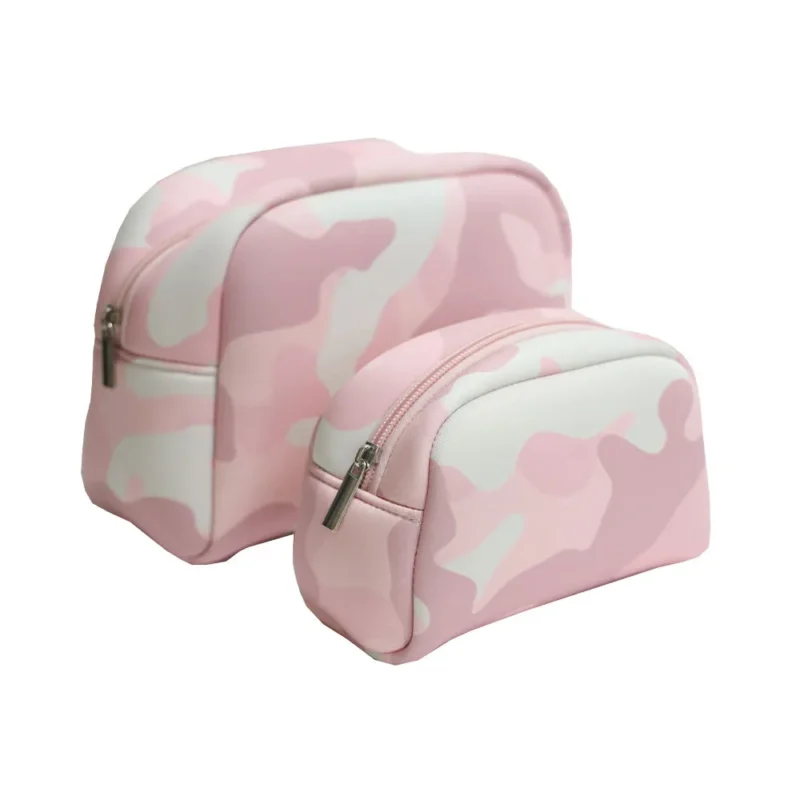
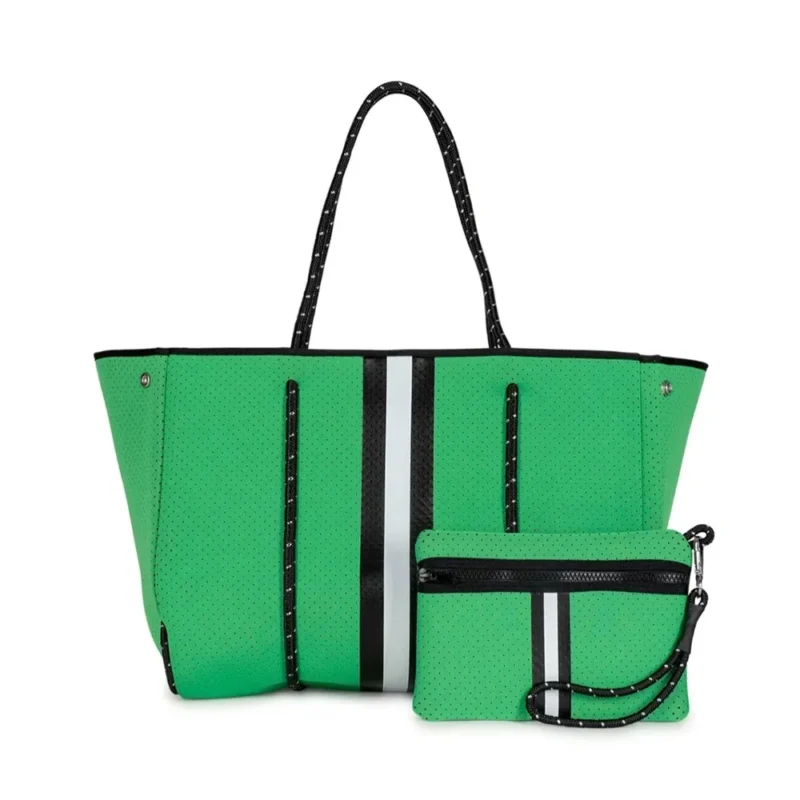
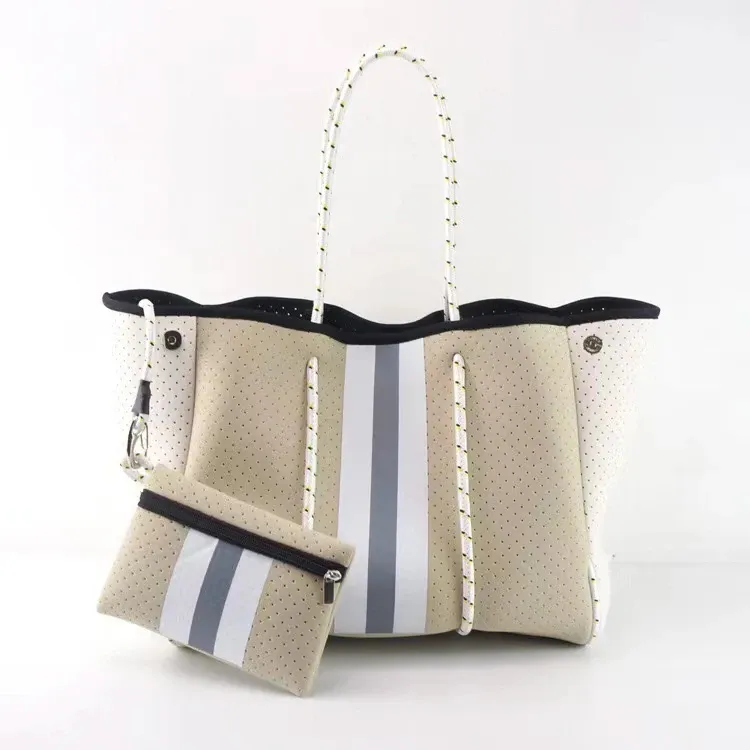
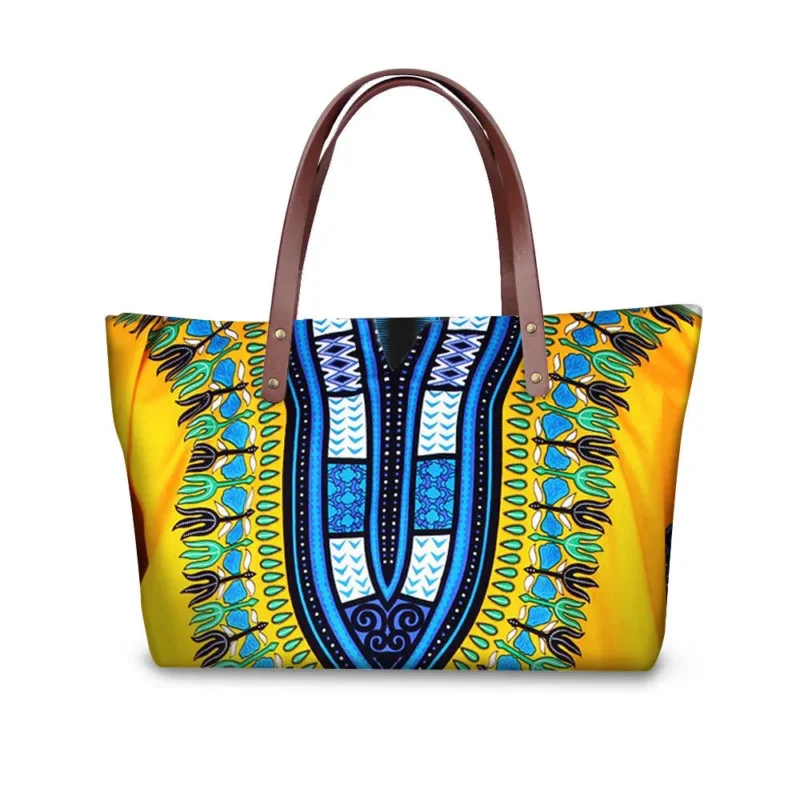
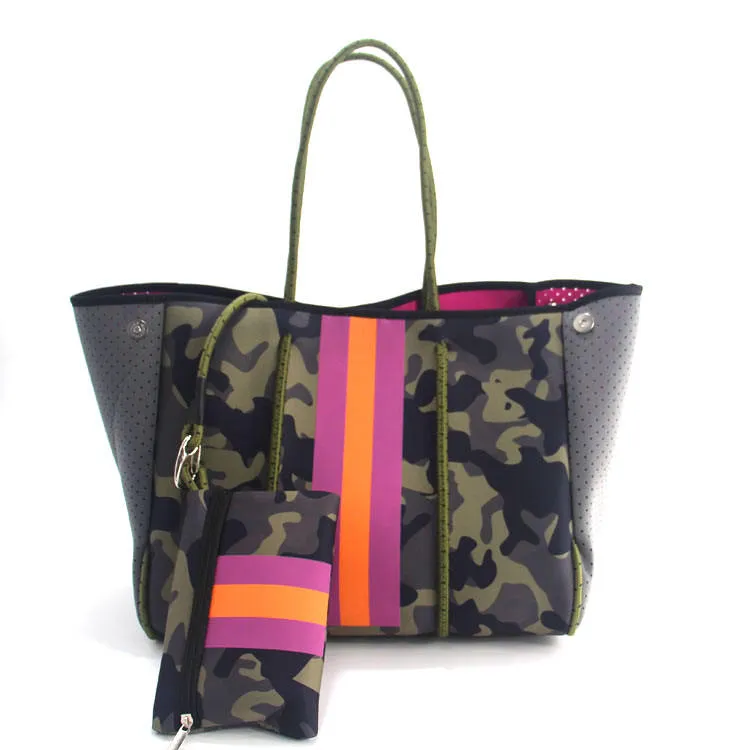
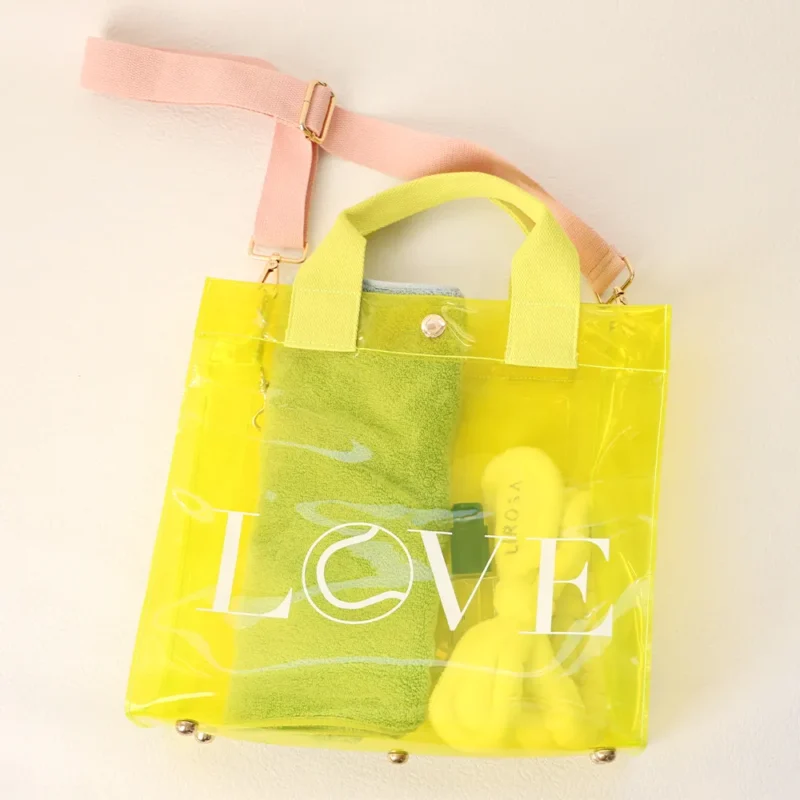
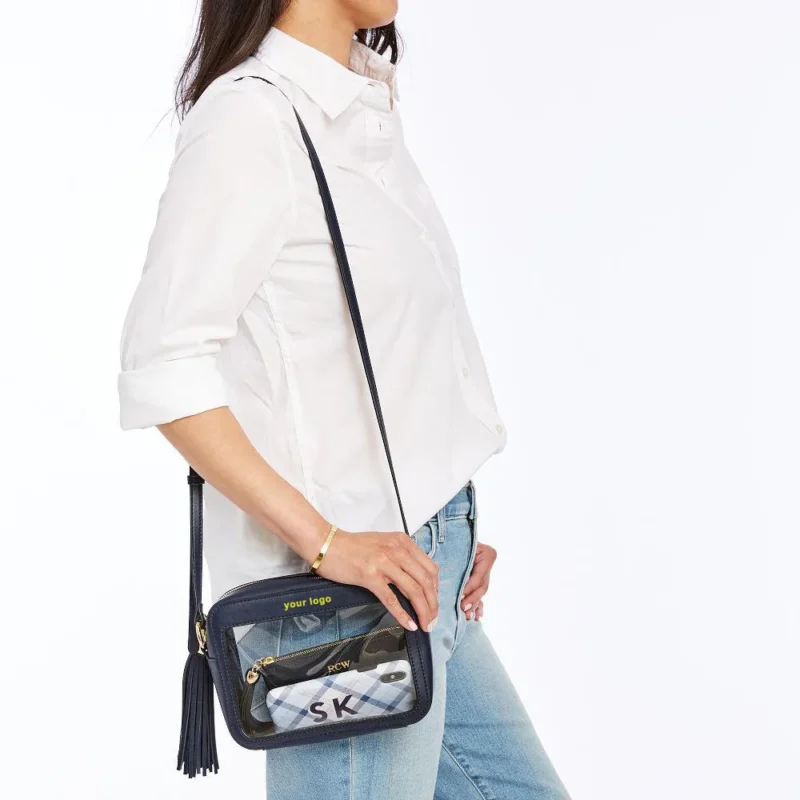

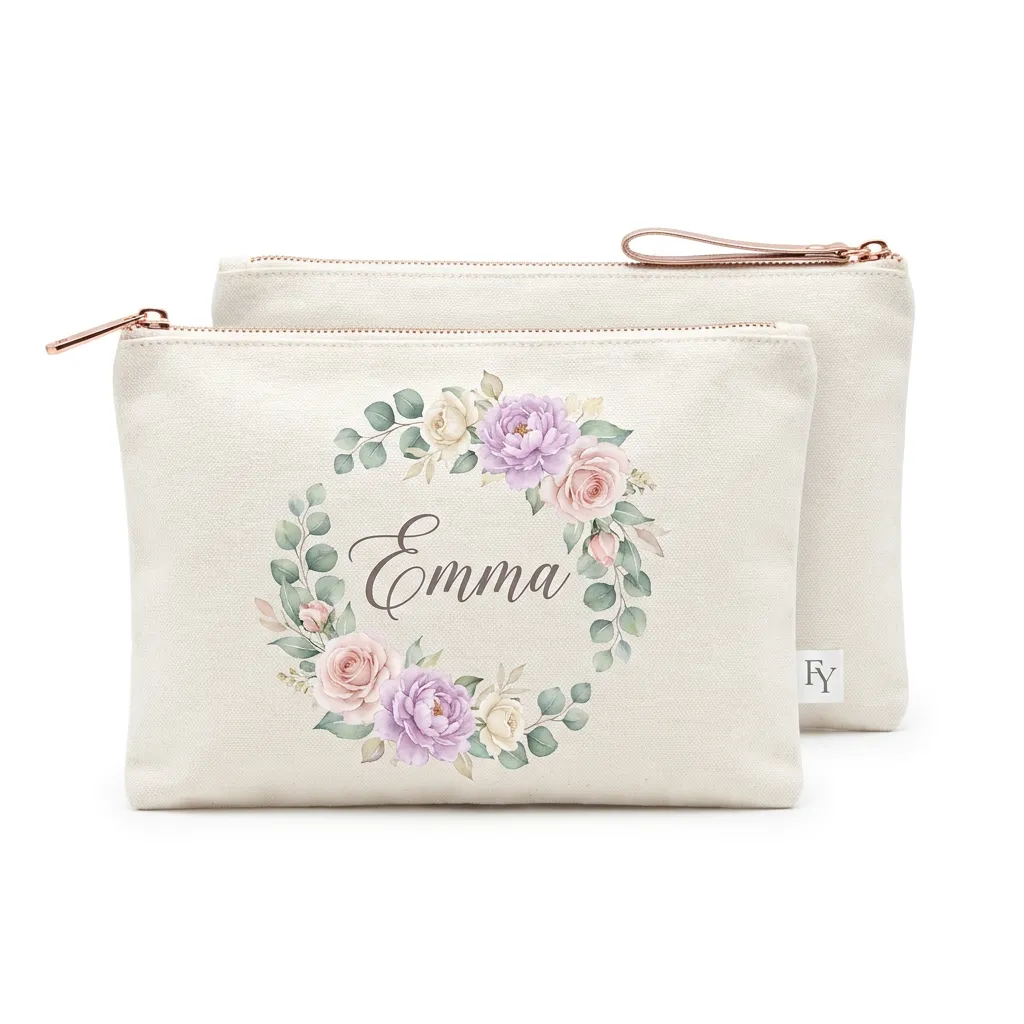
Individual name, monogram, or custom text on cotton or canvas cosmetic pouch. Wedding favors, bridesmaid gifts, corporate personalization. Variable data from CSV file. Each unit unique.
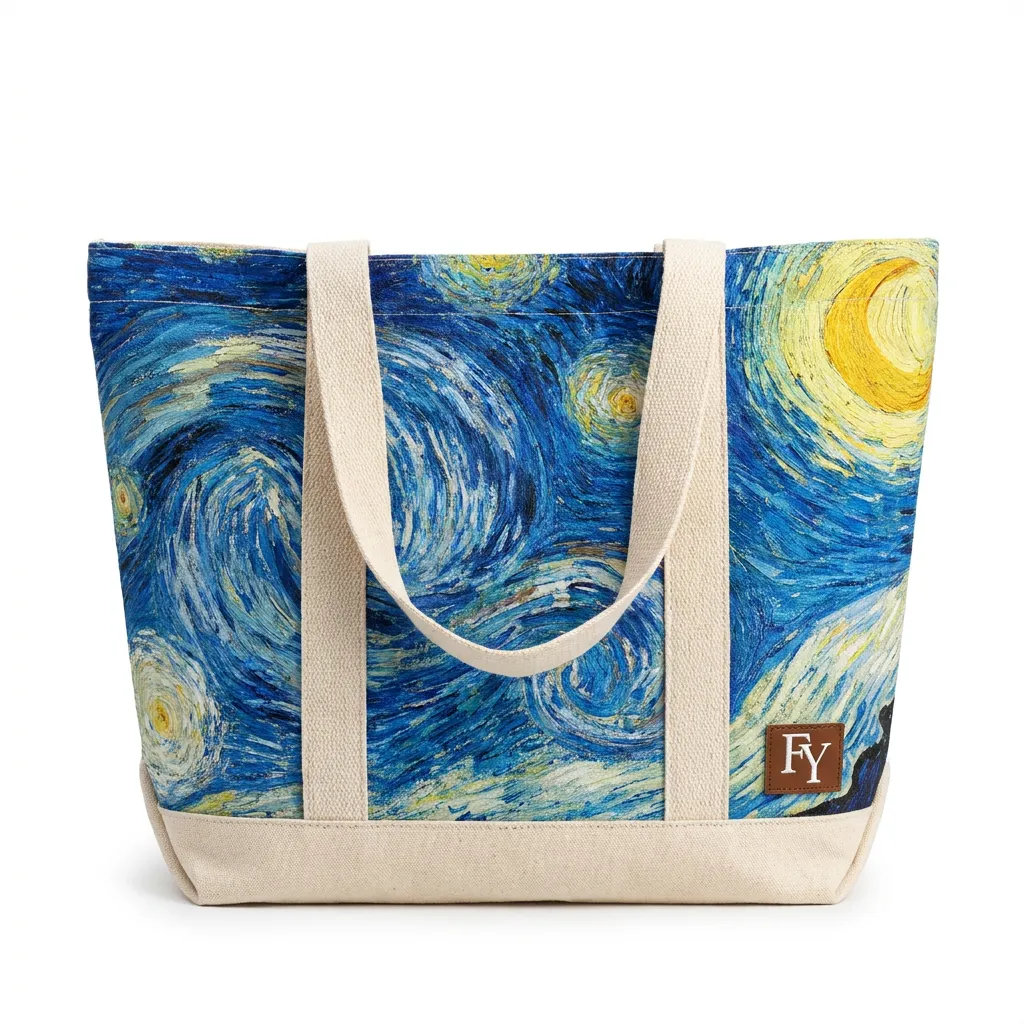
1200+ DPI photographic or fine-art print on natural canvas. Museum-shop quality. For art brands, photography labels, and illustration-based collections. The highest print resolution available on bag fabrics.
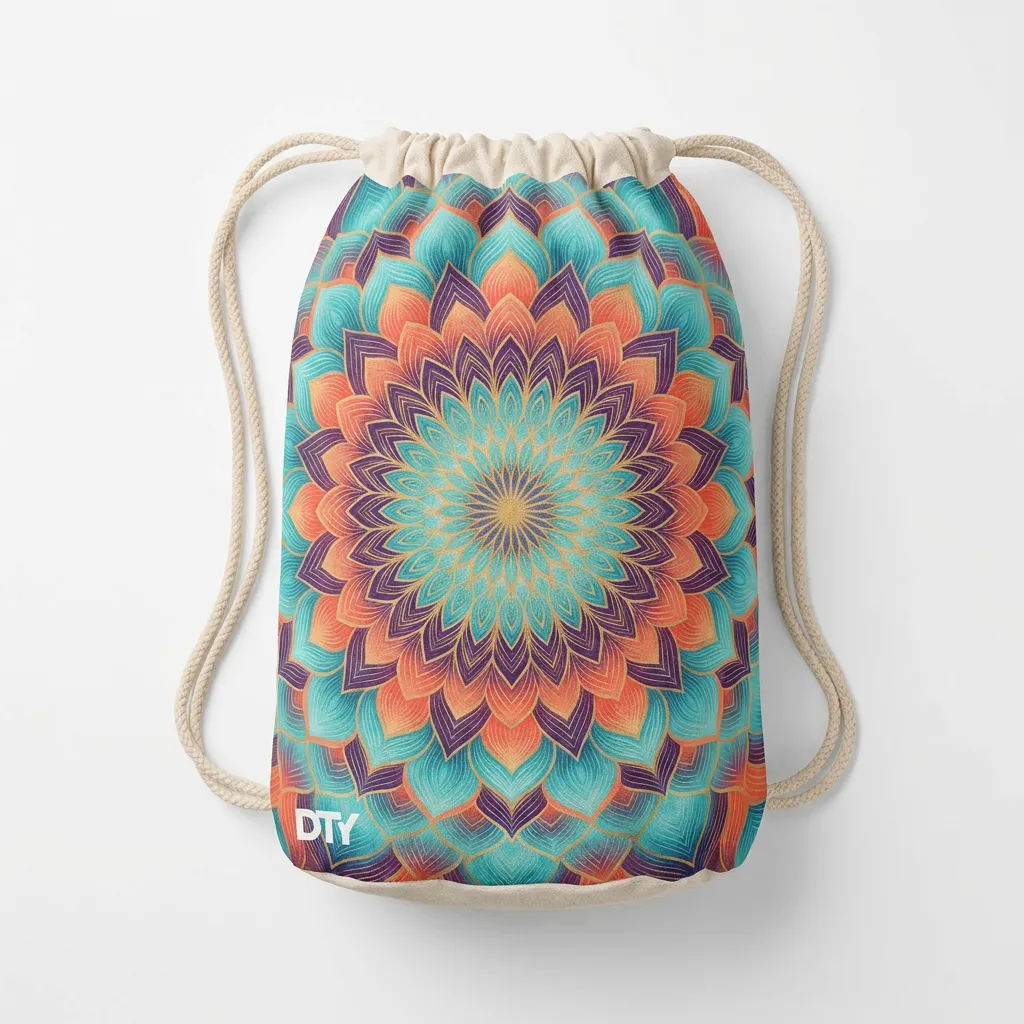
Full-color digital print on cotton or muslin drawstring bag. For events, gift packaging, and promotional use. Multi-design capability — each bag in the batch can carry a different graphic. On-demand capable.
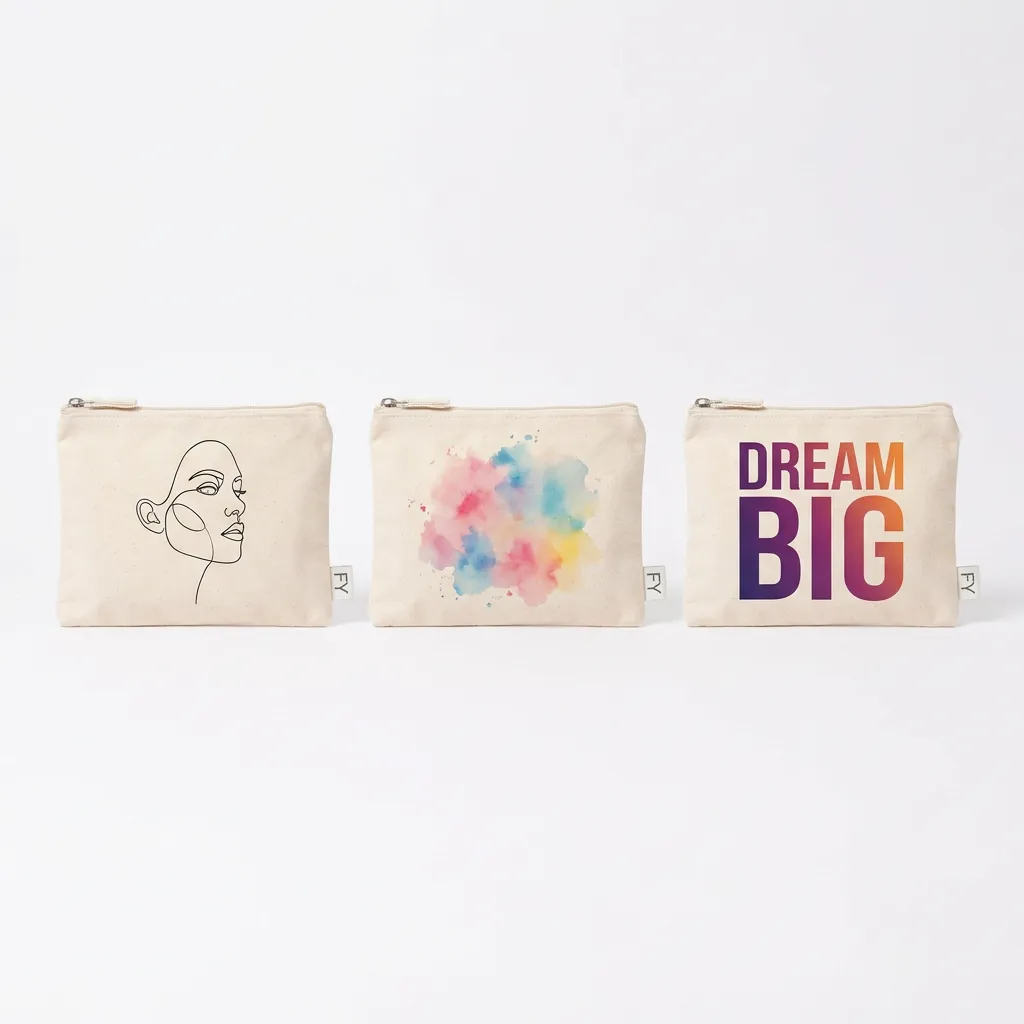
20–100 bags across 10+ artwork variants — for market validation before committing to bulk screen print or heat transfer. Zero per-design cost. The fastest, cheapest way to test which designs sell.
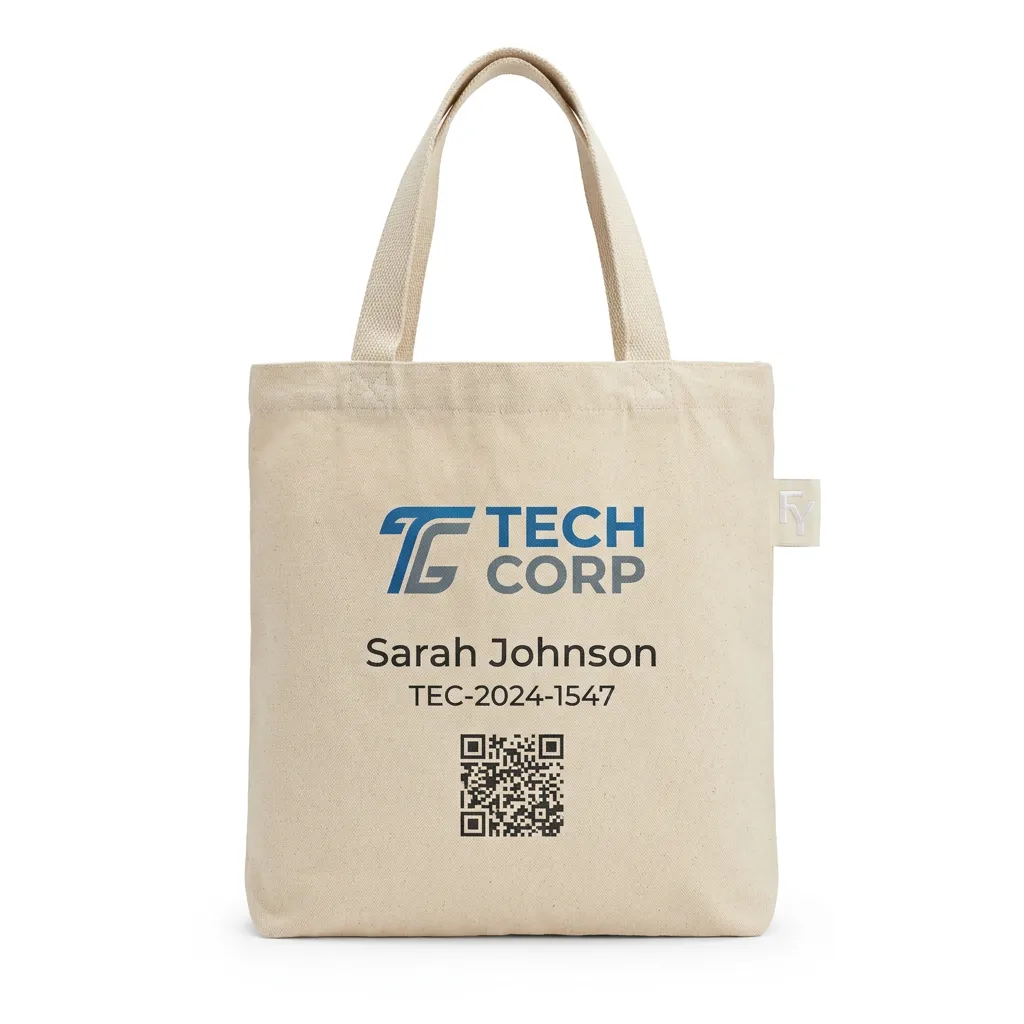
Edge-to-edge stripe pattern on polyester drawstring bag via sublimation. Unlimited stripe colors and widths. Promotional, event, and team merchandise. Budget-friendly full-coverage stripe format.
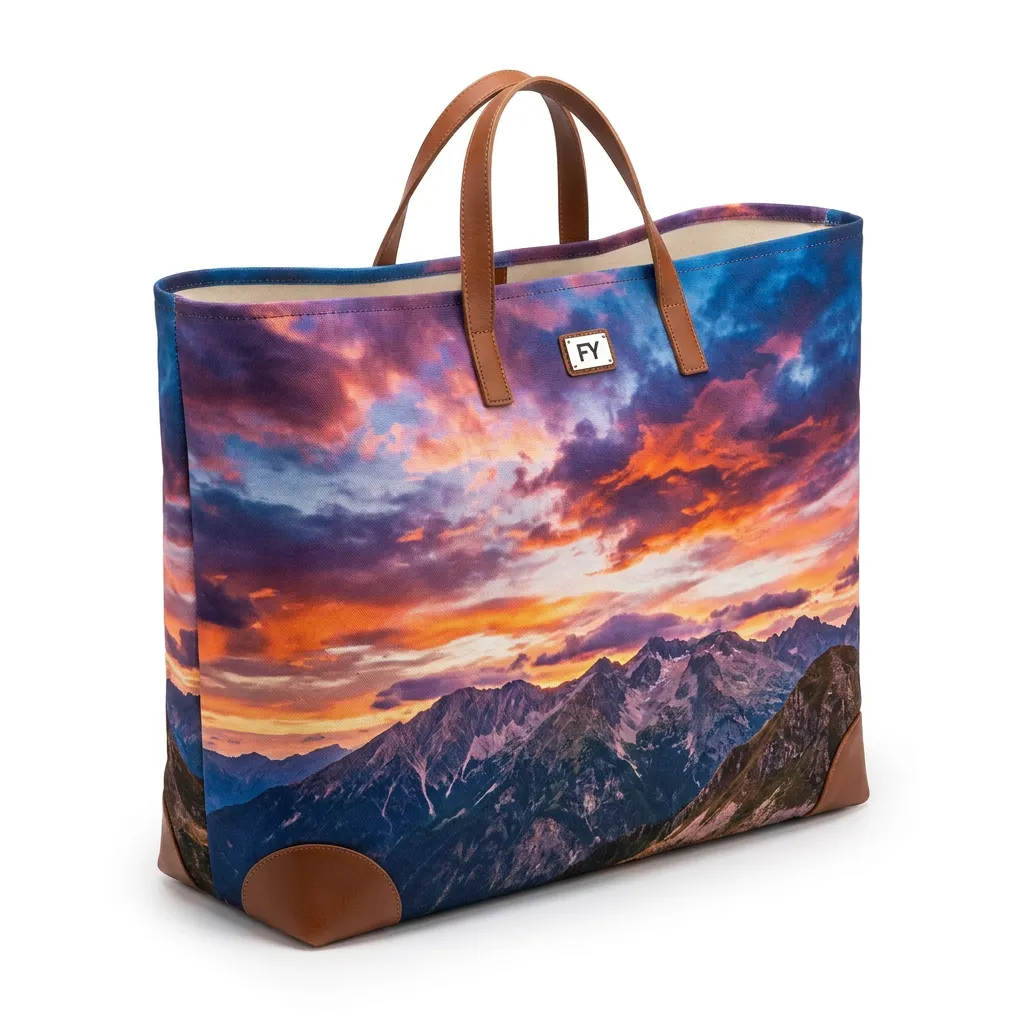
Large-format digital print on pre-cut fabric panels — cotton, canvas, or blended. Panels then assembled into bags. For complex artwork that spans the full bag surface. Flatbed accommodates panels up to 60 × 90 cm.
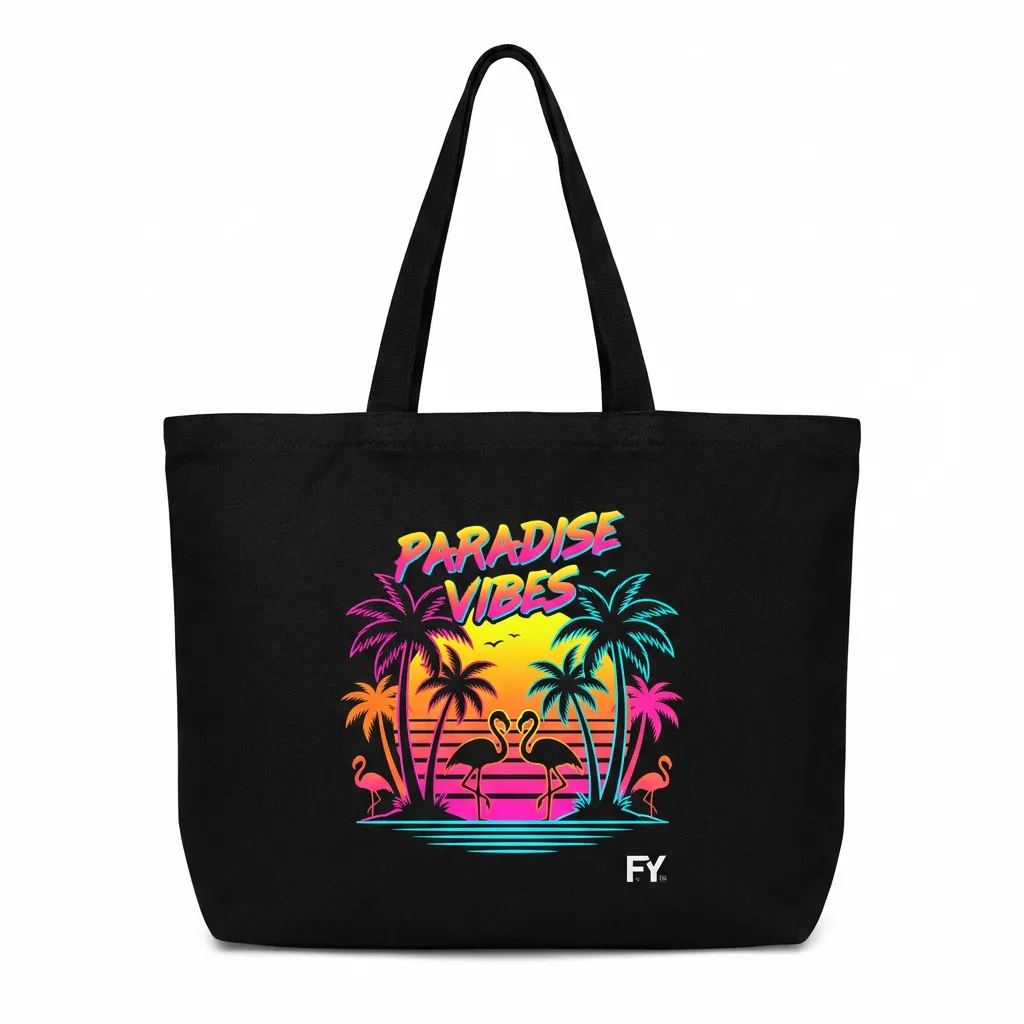
Full-color DTG with white underbase on black, navy, or dark cotton/canvas. White pre-treat layer followed by CMYK print. Slightly heavier hand feel than light-fabric DTG but still softer than heat transfer.
Both technologies spray ink directly onto fabric from digital inkjet heads — no transfer film, no screen, no plate. The difference is how the fabric is fed to the printer and which fabric types each handles best.
DTG
Direct-to-Garment / Direct-to-Fabric
DTG printers spray water-based pigment ink directly onto cotton, canvas, linen, and cotton-blend fabrics. The ink absorbs into the natural fibers — creating a soft, integrated print with zero surface texture. Originally developed for T-shirt printing, DTG is now the standard for digital bag printing on natural fibers. White pre-treatment required on dark fabrics (creates a white base layer before CMYK is printed on top). Resolution: 1200–1440 DPI. Best on light-colored, tight-weave cotton and canvas. Pre-treatment and heat curing (160°C, 35–60 seconds) required for wash durability. Wash resistance: 30–50+ cycles with proper cure. Speed: 30–90 seconds per panel depending on area and resolution. The softest hand feel of any full-color print method on cotton.
Flatbed Inkjet
Large-Format Digital Panel Printer
Flatbed inkjet printers hold pre-cut fabric panels flat on a vacuum bed and print from overhead inkjet heads. Accommodates panels up to 60 × 90 cm+ (printer-dependent). Works on a wider range of fabrics than DTG — cotton, canvas, polyester blends, and some synthetics — because the flat-bed vacuum holds non-absorbent fabrics stable during printing. Water-based or textile pigment ink depending on fabric type. Resolution: 720–1440 DPI. For complex artwork that needs to span the full bag panel. Panels are printed flat, then cut and assembled into bags. Slightly less soft hand feel than DTG on cotton (ink sits more on the surface on blended fabrics). Speed: 60–180 seconds per panel depending on area. Best for medium-format panels and mixed-fabric applications where DTG’s garment platen doesn’t fit.
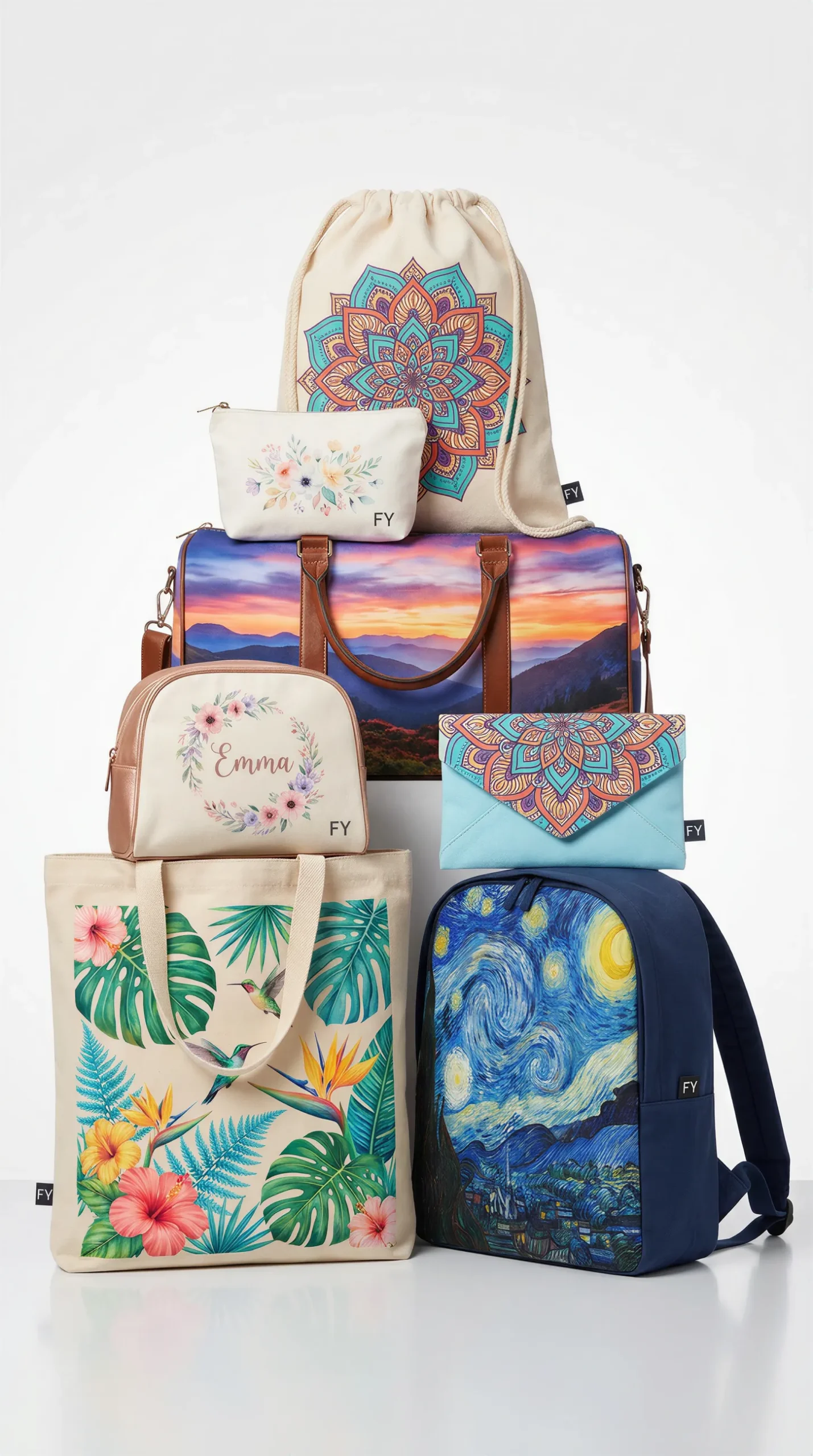
Four bag printing methods, four different sweet spots. No single method is best for everything. This page covers direct digital (DTG + flatbed); the others are covered on their own pages. Here’s how they compare across every dimension that matters for B2B sourcing.
Print Path
Digital: file → inkjet head → directly onto fabric. Heat transfer: file → print onto film → heat-press film onto fabric. Screen print: artwork → screen stencil → ink pushed through screen onto fabric. Sublimation: file → print onto paper → heat-press (dye sublimates into polyester fiber). Digital is the most direct path — fewest steps, fewest potential failure points.
Fabric Range
Digital (DTG): cotton, canvas, linen, cotton blends (natural fibers best). Heat transfer: any fabric. Screen print: any woven fabric. Sublimation: polyester only (65%+ polyester content). Digital is more limited than heat transfer and screen print — optimized for cotton and canvas. For synthetics, heat transfer is the better full-color option.
Hand Feel
Digital (DTG): softest — ink absorbs into fiber, zero surface texture on light fabrics. Sublimation: zero feel — dye is IN the polyester fiber. Screen (water-based): soft. Heat transfer: noticeable film layer. DTG wins on hand feel for cotton/canvas bags — the print becomes part of the fabric.
Setup Cost
Digital: zero — file IS the tool. Heat transfer (DTF): near-zero (digital film print). Screen print: $30–80 per color per screen. Lamination: $200–500+ per gravure cylinder. Digital and DTF heat transfer have the lowest setup costs — screen print and lamination penalize small orders.
Per-Unit Cost
Digital: highest per-unit (30–90 sec per panel, ink-intensive). Heat transfer: moderate. Screen print: lowest at volume. Sublimation: moderate (fast on polyester). Digital is the most expensive per unit at any volume — but zero setup means it’s cheapest TOTAL cost under ~200 pcs. Above 500 pcs, heat transfer or screen print becomes more economical.
Best For
Digital: personalization (variable data), on-demand/print-on-demand, art-quality reproduction on cotton/canvas, test runs under 200 pcs, and any application where every unit must be unique. Heat transfer: full-color on any fabric at 500–5,000 pcs. Screen print: 1–3 color logos at 2,000+ pcs. Sublimation: all-over full-color on polyester at any volume.
In-house DTG and flatbed inkjet printing, pre-treatment, heat curing, and QC. Artwork goes from your file to our printer to your bag — the shortest production path in the printing industry. Sample turnaround in 3–5 days.
Free Add-on: Professional Product Photography Included
Free white-background product photos for your online shop, Amazon listings, and wholesale catalogs — no additional charge on production orders.
Direct digital printing on fabric requires precise ink formulation, fabric pre-treatment, and cure parameters. The print quality depends on the fabric-ink-cure combination, not just the printer resolution.
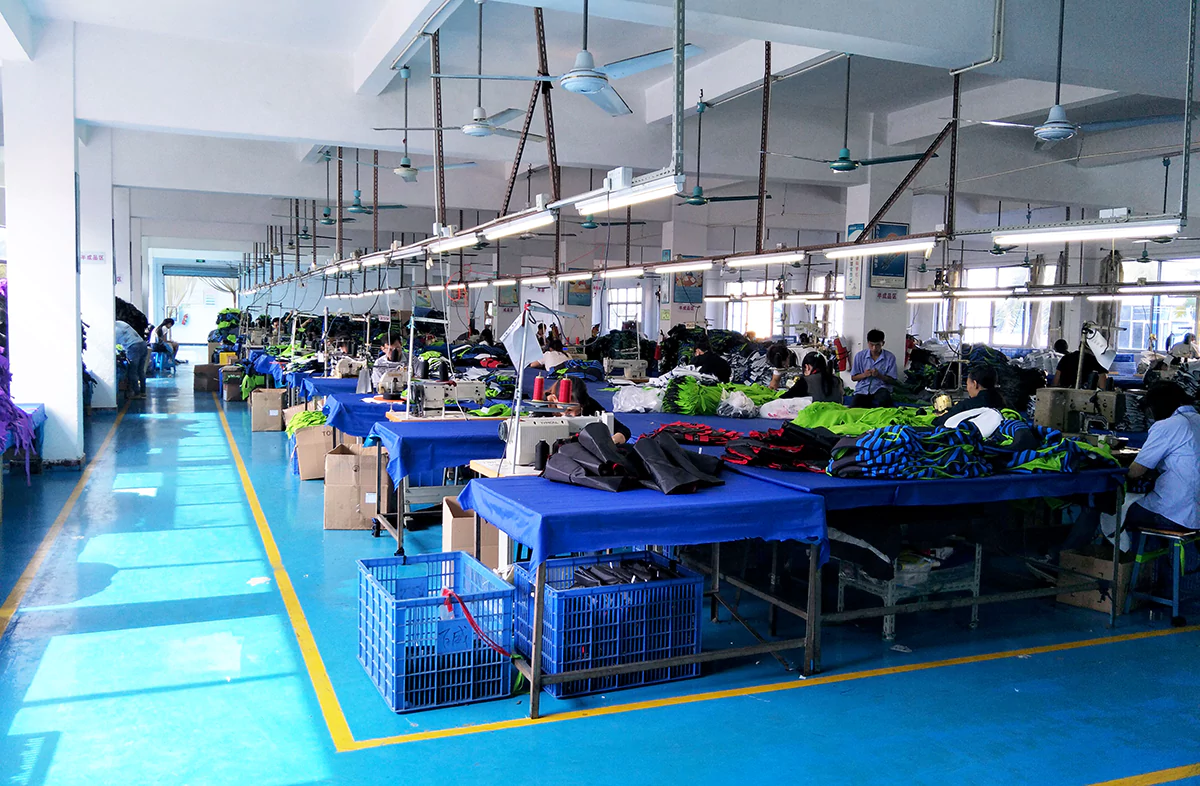
FY Bag Custom operates its own vertically integrated factory in Guangzhou, Guangdong — digital printing, pre-treatment, heat curing, sewing, assembly, and QC all under one roof. Our digital printing department sits alongside our screen-printing and heat-transfer departments — all three methods print onto flat fabric panels before bag assembly, using the same pre-assembly workflow.
Having all print methods in-house means we can recommend the right method for your artwork, fabric, volume, and budget — and switch methods between orders as your needs change. Start with digital for test runs, then scale to screen print or heat transfer for volume production.
Years in Manufacturing
Factory Floor Area
Professional Staff
Production Lines
Monthly Capacity
Pre-Shipment Inspection
Digital printing QC focuses on color accuracy (ICC profile consistency), pre-treatment evenness, cure completeness, and variable-data verification (correct name/image on each bag). Our 6-stage QC targets each one. Third-party inspections (SGS, BV, TUV) welcome.
Pre-treatment spray application verified for even coverage and correct concentration. Uneven pre-treat causes blotchy color and white-underbase ghosting. Pre-treated panels dried and inspected before printing. Pre-treatment is the #1 quality variable in DTG — it determines ink adhesion and vibrancy.
Physical DTG proof produced on actual production fabric — shipped for your approval in 3–5 days. ICC color profile calibrated. Color accuracy verified against artwork file. Proof approved in writing before production printing begins. Fastest proof turnaround of any print method.
For personalized orders: CSV data file verified against printed output. Each unique bag checked for correct name/text/image assignment. Sequence verified. Spelling verified. Data-mismatch is the #1 personalization-specific defect — caught here through systematic cross-referencing, not spot-checking.
Heat-cure temperature and dwell time verified on every batch. Under-cured DTG ink washes out in the first laundry cycle. Cure strip or thermocouple monitoring. Sample from each batch wash-tested (40°C, 30 min) to confirm permanent adhesion before assembly.
Every digitally printed panel inspected for: color accuracy, resolution sharpness, pre-treatment evenness (no blotching), white-underbase coverage (dark fabrics), variable-data correctness, and surface quality. Rejected panels are not assembled into bags.

Printed panels assembled into bags, then finished bags inspected one by one — print quality, sewing, hardware, lining, branding, and overall construction. Personalized bags packed in order-matching sequence for easy distribution. Container loading photos and videos sent within 24 hours.
Digital printing has the fastest proof cycle of any method (3–5 days, no screens or films needed). Bulk production speed depends on order volume — digital is fast for small orders but slower per unit than screen print at high volume. Sample in 3–5 days, bulk in 15–30 days.
Day 1–2
Send artwork (+ CSV for personalization); FOB quote in 24 hrs.
Day 3–12
Physical proof on fabric in 3–5 days via DHL.
Day 13–15
30% T/T deposit; balance before shipment.
Day 16–42
Print → cure → assemble → QC. Daily WIP photos.
Day 43–48
100% print + variable-data verification.
Day 46–55
Sea, air, express, or direct-to-FBA.
Sample Lead Time
5–7 Days
Mass Production
25–35 Days
Payment Terms
30% T/T · 70% Before Shipment
Shipping Terms
FOB · CIF · DDP · Amazon FBA
Digital printing serves a unique buyer profile — personalization, art-quality, and on-demand applications that no other method can handle.
Ongoing DTG production partnership for a Shopify print-on-demand store. 200+ unique artwork designs printed on natural canvas totes. Orders fulfilled weekly in batches of 50–300 bags. Each batch contains 10–40 different designs. Zero inventory — print only what sells. DTG cost per unit is higher than screen print, but zero waste and zero overstock make it profitable.
DTG-printed canvas totes with individual employee names and department — 5,000 unique bags printed from CSV data file. Company logo + Pantone brand colors + personalized name. Used for annual company gifting program. Each bag unique. Variable-data verification QC on 100% of units. CIF delivery in 20 days.
DTG photographic-quality art prints on 12oz natural canvas totes for museum shop retail. 8 artwork variants — fine-art reproductions requiring 1200 DPI resolution and accurate color. Small initial order (200 pcs / 25 per design) for market testing. Reorders scaled to heat transfer for top-selling designs at 2,000+ pcs.
Global Shipping Options
•Sea Freight
•Air Freight
•Express (DHL, FedEx, UPS)
•Rail Freight
•Door-to-Door
•Direct-to-Amazon FBA
Straight answers to the questions buyers ask most about DTG and direct digital printing on bags.
Digital printing (DTG, flatbed inkjet) sprays ink directly onto the fabric — no intermediate film or carrier. Heat transfer (including DTF) prints ink onto a release film first, then heat-presses the film onto the fabric. Digital produces softer hand feel (ink absorbed into fiber vs. film layer on surface) and enables true variable data (different print on every unit). Heat transfer works on a wider fabric range and is more cost-effective at 500+ pcs. Digital is best for cotton/canvas, personalization, and ultra-short runs.
Yes — this is digital printing’s defining advantage. Every bag can carry a unique name, image, number, QR code, or artwork. Supply a CSV file with variable fields and we merge the data into the print file automatically. For artwork variations, supply individual files per design. No per-design setup cost — 1 design or 1,000 designs cost the same per unit to print.
DTG works best on 100% cotton and cotton canvas (10oz–14oz). Good results on linen and cotton-linen blends. Acceptable on 65/35 cotton-poly blends (slightly less vibrant). Not recommended for 100% polyester (use sublimation), 100% nylon (use heat transfer), or coated/laminated fabrics. White or light-colored fabric produces the most vibrant results; dark fabrics require white pre-treatment underbase.
Not with proper pre-treatment and heat curing. DTG pigment ink on pre-treated cotton withstands 30–50+ wash cycles at 40°C. Wash-out is caused by insufficient pre-treatment (ink doesn’t bond to fiber) or under-curing (ink doesn’t polymerize). We wash-test sample prints from every batch to verify durability before assembly. DTG wash resistance is comparable to water-based screen printing.
Per unit, yes — digital is the most expensive print method at any volume. But TOTAL cost (setup + print) is cheaper than screen printing under approximately 200 pcs because digital has zero setup. At 500+ pcs, screen printing is cheaper for 1–3 color designs. At 2,000+, screen printing is significantly cheaper. Digital’s value is not lowest cost — it’s lowest risk (no setup investment), fastest proofing (3–5 days), and unique capabilities (personalization, variable data, on-demand).
The print method itself has no minimum — we can print 1 bag. However, bag construction (cutting, sewing, hardware) has its own MOQ separate from the print method. For digitally printed bags on stock blank totes or pouches, minimums can be very low. For custom-constructed bags with digital print, standard bag-construction MOQs apply. Contact us with your spec for a specific confirmation.
Yes — and we recommend this as a standard product-launch strategy. Test 10–20 designs via DTG digital print (50–100 bags per design). Identify your top sellers from market data. Then scale the winners to screen print (for 1–3 color designs at 2,000+ pcs) or heat transfer (for full-color at 500+ pcs). Digital for testing, volume methods for scaling.
Yes. European Industrial Park, Shiling Town, Huadu District, Guangzhou. Monday–Saturday. Video tours available for remote buyers.
Send us your artwork (any format, 300 DPI for photos), bag type, and personalization requirements — we’ll come back within 24 hours with a detailed FOB quotation. Physical DTG proof on actual fabric in 3–5 days — fastest in the industry. No templates, no copy-paste pricing.
